
As the steam rises and fills the kitchen with a comforting aroma, I realize that there’s a bit of magic in making a Steamed Vietnamese Honeycomb Cake. This delightful treat, with its unique texture and subtly sweet coconut flavor, takes me back to bustling street markets, where every bite is a taste of tradition blended with love.
I first encountered this gem during a visit to a local bakery, intrigued by the beautiful layers that seemed to beckon me. Little did I know that creating this stunning cake at home is not only simple but also a fantastic way to impress family and friends! The use of rice flour gives it an airy, sponge-like texture that’s truly irresistible.
With a few straightforward ingredients and only a bit of patience, you can bring a slice of Vietnam straight to your table. Whether you’re looking to break free from the monotony of takeout or simply want to indulge in something unique, this Honeycomb Cake is sure to be your new favorite. Let’s dive into the recipe!,
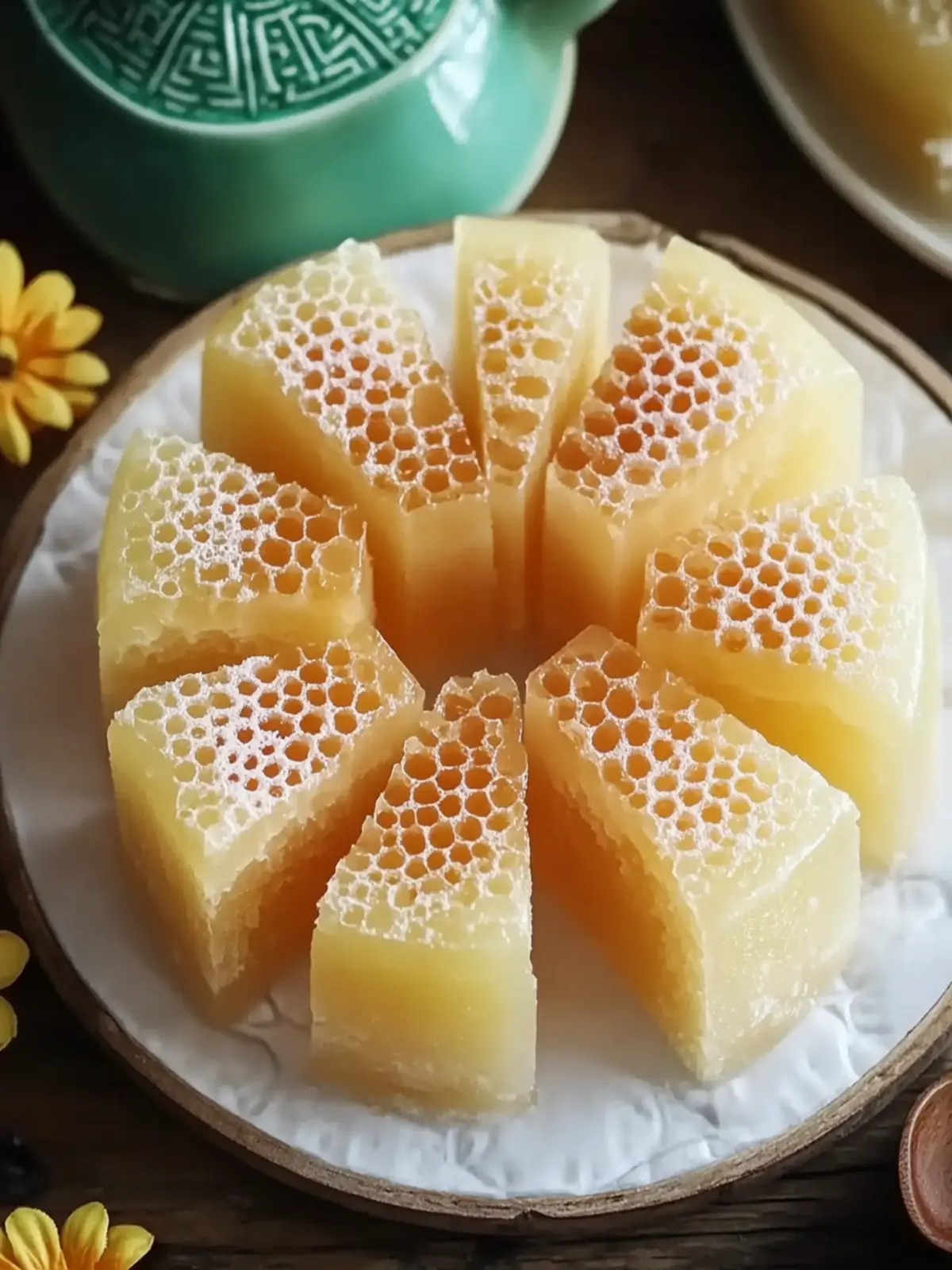
Why is Steamed Vietnamese Honeycomb Cake so special?
Irresistible texture: The fluffy, honeycomb-like layers provide a delightful bite that’s unlike any other cake.
Subtle sweetness: Infused with coconut flavor, it beautifully balances the sweet without overpowering.
Quick and easy: With only a few ingredients and simple steps, making this treat at home is a breeze.
Impressive presentation: The stunning layers are sure to wow your guests and make any occasion memorable.
Perfect for any occasion: Whether it’s a celebration or a casual snack, this cake brings a touch of joy to every moment.
Dive deeper into the world of delightful treats with this satisfying and flavorful Pandan Coconut Cake that will complement your culinary adventures!
Steamed Vietnamese Honeycomb Cake Ingredients
• Discover the perfect blend of flavors!
For the Batter
- Rice Flour – a key ingredient that gives the cake its signature airy, sponge-like texture.
- Tapioca Starch – enhances the chewiness and provides a lovely contrast to the rice flour.
- Coconut Milk – infuses the cake with a rich, creamy coconut flavor that’s hard to resist.
- Sugar – adds the necessary sweetness without overwhelming the subtle coconut notes.
- Active Dry Yeast – helps the cake rise and creates those beautiful, fluffy layers.
- Salt – a pinch balances the sweetness and enhances all the flavors.
- Warm Water – activates the yeast, ensuring your cake rises perfectly.
- Vegetable Oil – keeps the cake moist and tender; you can substitute with coconut oil for an extra coconut kick.
- Pandan Extract or Food Coloring (optional) – adds a pop of color and a hint of exotic flavor, transforming your Steamed Vietnamese Honeycomb Cake into a showstopper!
How to Make Steamed Vietnamese Honeycomb Cake
-
Combine dry ingredients: In a mixing bowl, whisk together the rice flour, tapioca starch, sugar, and salt until evenly mixed. This creates a base for your cake with a perfect texture.
-
Activate the yeast: In another bowl, mix the warm water with the active dry yeast. Allow it to sit for about 5 minutes, or until it becomes frothy. This step is crucial for achieving those delightful fluffy layers.
-
Mix wet and dry ingredients: Carefully stir the coconut milk into the flour mixture, combining until smooth. The luscious coconut will enrich the cake, making it subtly sweet and aromatic.
-
Add yeast mixture: Pour the activated yeast mixture into your batter and mix well until fully combined. Ensure there are no lumps; the texture should be creamy and consistent.
-
Let it rest: Cover the batter with a cloth and let it rest for 30 minutes. This allows the yeast to work its magic, creating airy pockets in the cake.
-
Prepare for steaming: While the batter rests, get your steamer ready. Grease your steaming pan with vegetable oil to prevent sticking, ensuring a beautiful release after steaming.
-
Pour and color: Pour the rested batter into the prepared pan. If you’re using pandan extract or food coloring, add it at this stage, swirling gently to create visually appealing layers.
-
Steam until set: Place your pan in the steamer and steam for about 30-40 minutes, or until a toothpick inserted in the center comes out clean. The cake should be firm but springy to the touch.
Optional: Serve warm with fresh coconut flakes on top for an extra layer of flavor!
Exact quantities are listed in the recipe card below.
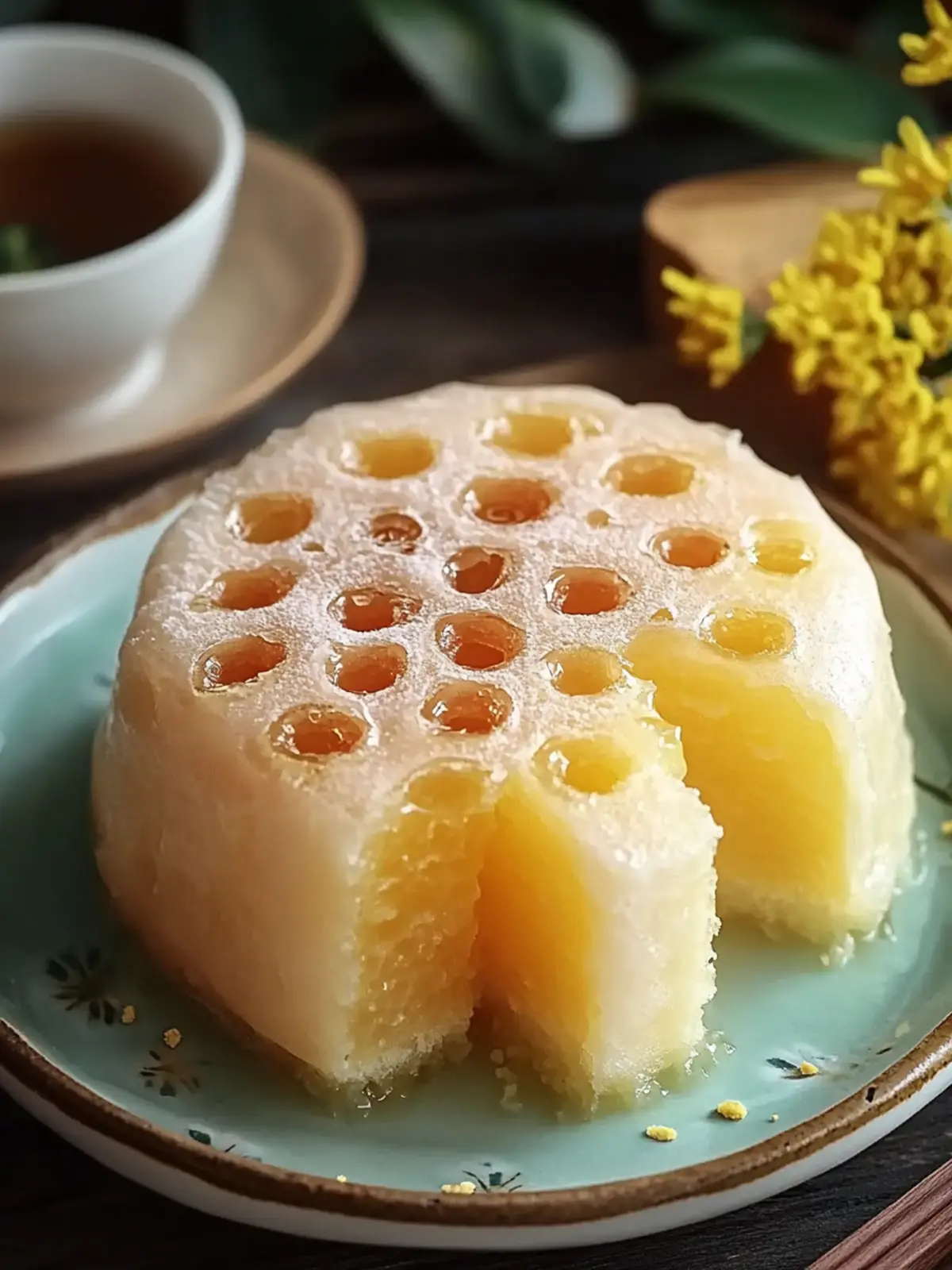
Expert Tips for Steamed Vietnamese Honeycomb Cake
-
Texture Matters: Ensure the dry ingredients are well mixed before adding wet ingredients. This prevents clumping and promotes an even, airy texture in the cake.
-
Yeast Activation: Allow the warm water and yeast to sit until frothy. This step is vital; if the yeast doesn’t activate, your cake won’t rise properly.
-
Rest Time: Don’t rush the resting process. Giving the batter a full 30 minutes allows the yeast to create those delightful fluffy layers essential for steamed Vietnamese Honeycomb Cake.
-
Greasing the Pan: Generously grease your steaming pan with vegetable oil; this is key to preventing sticking and ensuring a clean release once your cake is steamed.
-
Steaming Technique: Use a towel under the lid of your steamer to catch any condensation. This keeps the moisture away from the cake surface, helping maintain its texture.
-
Serve with Style: Enhance the presentation by topping your warm cake with fresh coconut flakes. This adds a delicious layer of flavor and makes your cake visually appealing!
Steamed Vietnamese Honeycomb Cake Variations
Feel free to get adventurous and customize this delightful cake to suit your tastebuds!
-
Gluten-Free: Substitute rice flour with a gluten-free flour blend to make this treat suitable for gluten-sensitive friends.
-
Coconut Flour: For a stronger coconut flavor, replace part of the rice flour with coconut flour; this adds a subtle sweetness.
-
Sweetener Swap: Use honey or maple syrup instead of sugar for a natural sweetness that adds depth and richness.
-
Fruit-Infused: Incorporate grated fresh coconut or finely chopped fruits like mango or pineapple into the batter for a refreshing twist.
-
Flavored Extracts: Experiment with different extracts like vanilla or almond for an aromatic surprise that elevates the cake’s profile.
-
Color Burst: Avoid the pandan extract and use beet or blue spirulina powder to create vibrant cake colors that will dazzle your guests.
-
Savory Take: Add a pinch of chili powder or crushed black pepper to the mix for an unexpected kick, balancing the cake’s sweetness beautifully.
Each of these variations not only transforms the flavor but also adds a personal touch to your baking adventure! Dive in and let your creativity shine!
What to Serve with Pandan Coconut Cake?
Indulging in this delightful dessert opens the door to a world of flavorful companions that can enhance any meal.
-
Fresh Mango Slices: The juicy sweetness of mango perfectly contrasts the coconut flavors, adding a refreshing bite.
-
Coconut Sorbet: Serve a scoop alongside the cake for a double coconut experience; it’s creamy and cooling on the palate.
-
Thai Iced Tea: Its rich, spiced flavor complements the subtle sweetness of the cake, creating a balanced dessert pairing.
-
Greens Salad with Lime Vinaigrette: A light salad refreshes the palate and pairs well with the cake’s density, making each bite feel new.
The crunch of fresh greens, drizzled with zesty lime, cuts through the cake’s richness and offers a lovely contrast.
-
Roasted Nuts: A mix of roasted peanuts and coconut flakes adds texture and brings a nutty warmth that harmonizes beautifully with the cake.
-
Chai Latte: The warming spices in chai blend beautifully with the cake’s coconut notes, offering a cozy drink to sip alongside.
-
Thai Curry: If eating this as part of a meal, a light coconut curry can complement the cake’s flavor and make for a satisfying course progression.
The warmth from your curry brings a comforting meal together, leading naturally into the sweetness of the cake.
- Pandan Ice Cream: For an extra touch of pandan flavor, this creamy dessert creates a delightful harmony, underscoring the cake’s unique taste.
As you mix and match, each pairing transforms your dining experience into a sumptuous feast, celebrating the wonderful flavors of your Pandan Coconut Cake!
Storage Tips for Steamed Vietnamese Honeycomb Cake
Room Temperature: Allow the cake to cool completely before storing. It can be kept at room temperature for up to 2 days in an airtight container.
Fridge: If you’d like to extend the freshness, store the cake in the fridge for up to a week. Make sure to wrap it tightly to prevent it from drying out.
Freezer: For longer storage, freeze the Steamed Vietnamese Honeycomb Cake in individual slices. Wrap each slice in plastic wrap and place in a freezer bag for up to 2 months.
Reheating: To enjoy, simply thaw the slices in the fridge overnight or warm them in a steamer for 5-10 minutes. This will bring back the lovely texture and flavor!
Make Ahead Options
These Steamed Vietnamese Honeycomb Cake preparations are perfect for busy cooks seeking to save time without sacrificing flavor! You can prepare the batter up to 24 hours in advance by following the mixing instructions and letting it rest as directed. Store the batter covered in the refrigerator to keep it fresh. Alternatively, you can steam the cake and refrigerate it for about 3 days; when ready to serve, simply reheat it in the steamer for about 10-15 minutes to regain its delightful texture. This ensures that every slice remains just as light and fluffy, allowing you to enjoy a treat that’s both effortless and delicious!
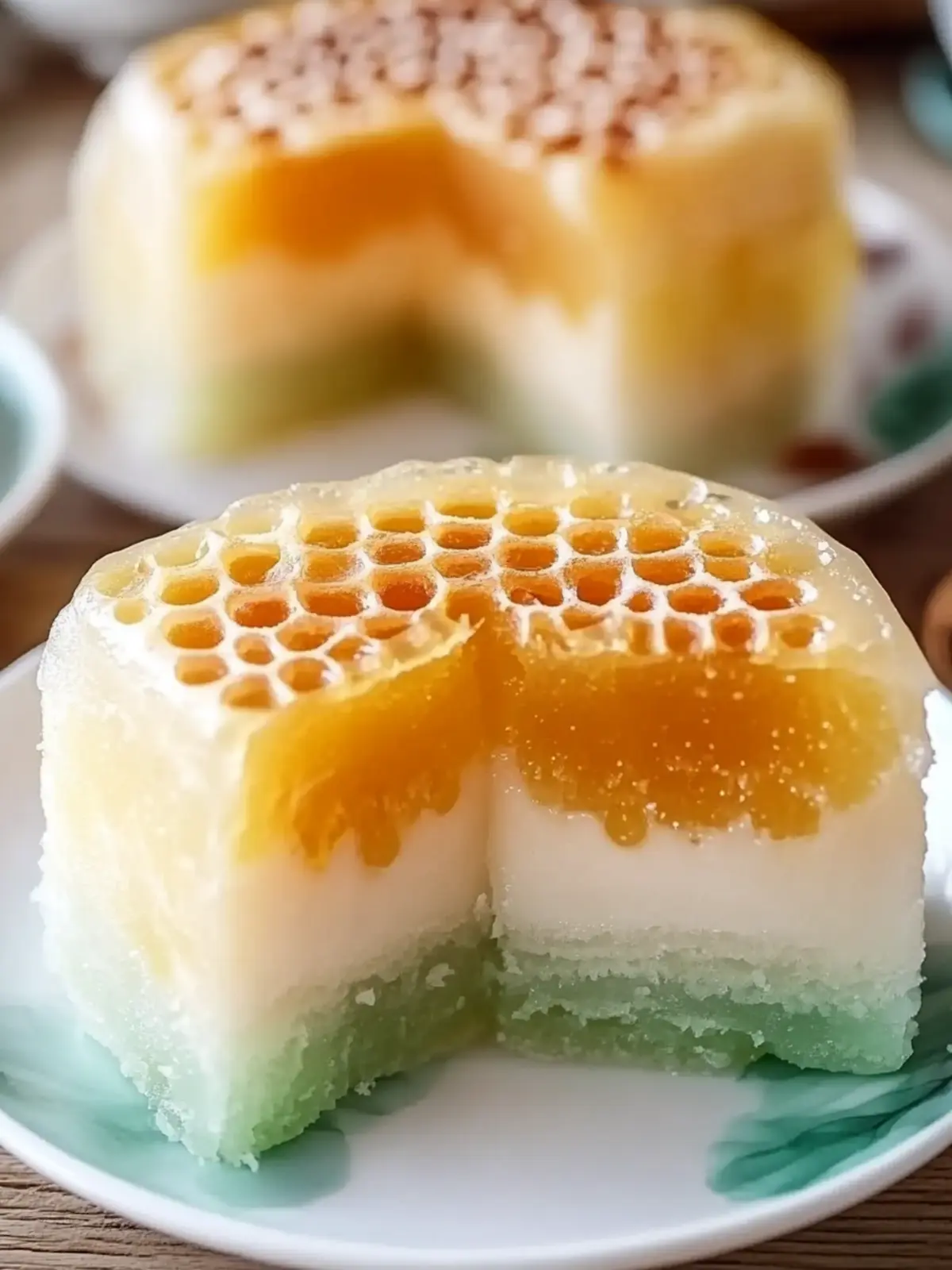
Steamed Vietnamese Honeycomb Cake Recipe FAQs
What is the best way to select fresh coconut milk?
Absolutely! When choosing coconut milk, I recommend looking for brands that use minimal additives. If possible, opt for canned coconut milk that appears creamy without any separation. Fresh coconut milk, if available, should smell fragrant and sweet, with no hint of sourness or dark spots on the container.
How should I store leftovers of the Steamed Vietnamese Honeycomb Cake?
For room temperature storage, let the cake cool down completely before placing it in an airtight container, which can keep it fresh for up to 2 days. If you want to extend the shelf life, wrap the cake tightly and refrigerate it, where it will last for about a week. Remember, moisture is key, so ensure it’s well-wrapped!
Can I freeze the cake, and what’s the best way to do so?
Yes! You can freeze the Steamed Vietnamese Honeycomb Cake. First, allow it to cool completely. Then, slice it into individual pieces and wrap each slice in plastic wrap tightly. Place the wrapped slices inside a freezer bag. This method allows for easy access when you crave a sweet treat, and the cake can last up to 2 months in the freezer.
What are some common problems when making this cake, and how can I fix them?
If your cake doesn’t rise, check if your yeast was fresh and active – it needs to be frothy after mixing with warm water. Make sure to let the batter rest for the full 30 minutes; this is crucial for creating the airy structure. Should your cake turn out too dense, you might have overmixed the ingredients; try gently folding them next time instead of beating.
Are there any dietary considerations for the Steamed Vietnamese Honeycomb Cake?
Absolutely! If you have gluten-free needs, you can substitute the rice flour and tapioca starch with a gluten-free flour blend designed for baking. For a vegan version, ensure your sugar is plant-based and consider using a flaxseed meal mixed with water as a substitute for the active yeast in some recipes, although it requires careful attention to rising times. Always check the labels of your ingredients for allergens, especially when sharing!
Is it safe for pets, like dogs or cats?
While the ingredients in the Steamed Vietnamese Honeycomb Cake are generally safe for humans, I recommend keeping it away from pets. The sugar content can be too high for them, and coconut products should be given in moderation. If you’re ever unsure, consult your veterinarian for dietary advice regarding specific ingredients.
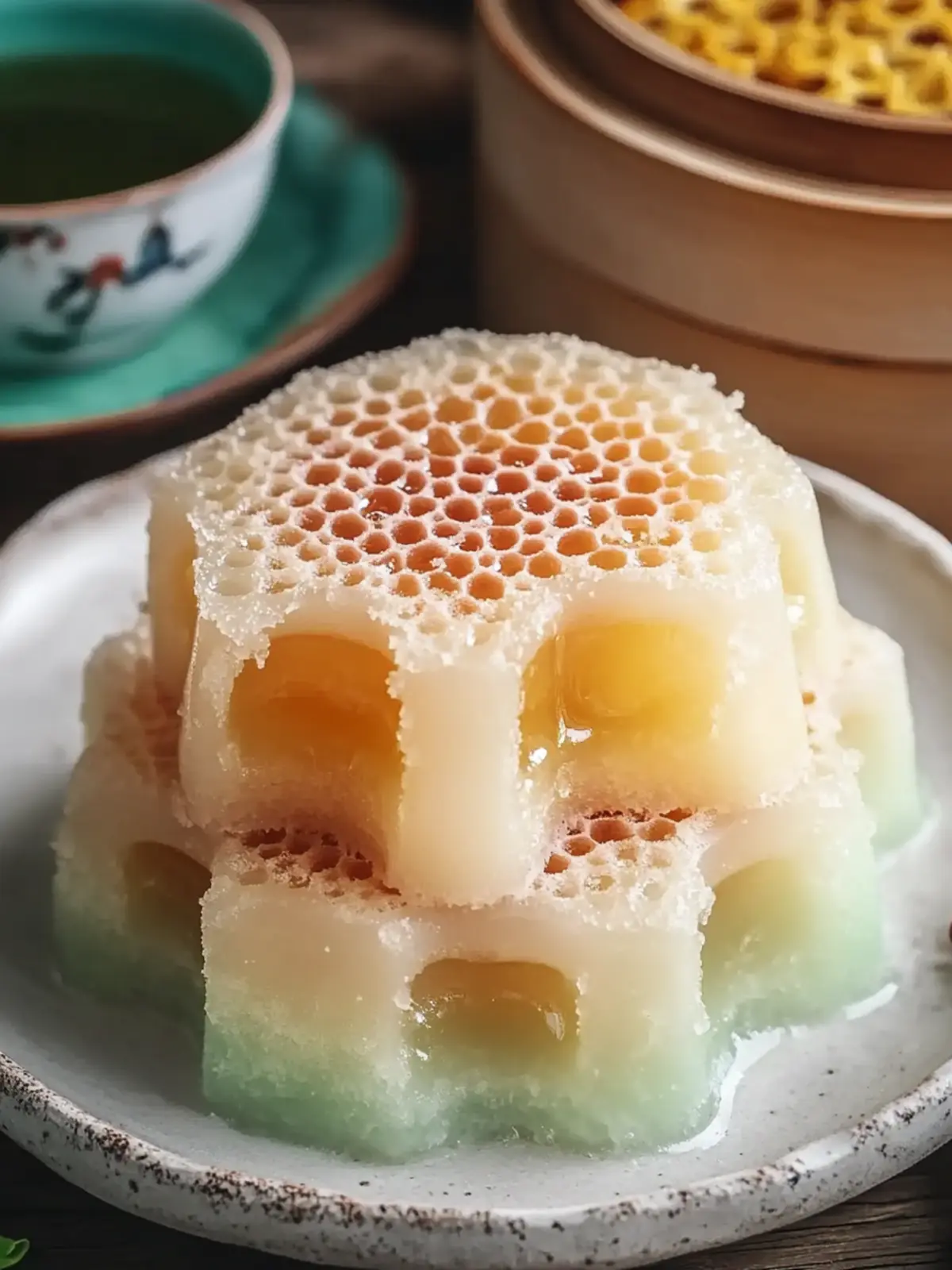
Delicious Steamed Vietnamese Honeycomb Cake for Sweet Moments
Ingredients
Equipment
Method
- Combine dry ingredients: In a mixing bowl, whisk together the rice flour, tapioca starch, sugar, and salt until evenly mixed.
- Activate the yeast: In another bowl, mix the warm water with the active dry yeast. Allow it to sit for about 5 minutes, or until it becomes frothy.
- Mix wet and dry ingredients: Carefully stir the coconut milk into the flour mixture, combining until smooth.
- Add yeast mixture: Pour the activated yeast mixture into your batter and mix well until fully combined.
- Let it rest: Cover the batter with a cloth and let it rest for 30 minutes.
- Prepare for steaming: Grease your steaming pan with vegetable oil.
- Pour and color: Pour the rested batter into the prepared pan. If using pandan extract or food coloring, add it now.
- Steam until set: Place your pan in the steamer and steam for about 30-40 minutes.