
There’s a special kind of comfort that comes from a freshly baked pie, and a buttery, flaky pie crust is its secret weapon. Picture this: you open the oven door, and the warm aroma wafts over you, laced with hints of melted butter and caramelized sweetness. This pie crust recipe is my go-to because it turns the ordinary into the extraordinary, elevating fruit fillings, creamy custards, or even savory delights.
During those busy weekdays when I yearn for a homemade treat, I reach for this simple yet versatile crust that never fails to impress. With just a few quality ingredients and minimal effort, it transforms any filling into a delightful masterpiece. Whether you’re a baking novice or a seasoned chef looking for a reliable recipe, this pie crust will become your new kitchen ally. Trust me, it’s the perfect foundation that brings joy to family gatherings and cozy evenings alike. Let’s dive into the straightforward steps to craft this amazing crust, and soon you’ll be whipping up pies that will have everyone asking for seconds!
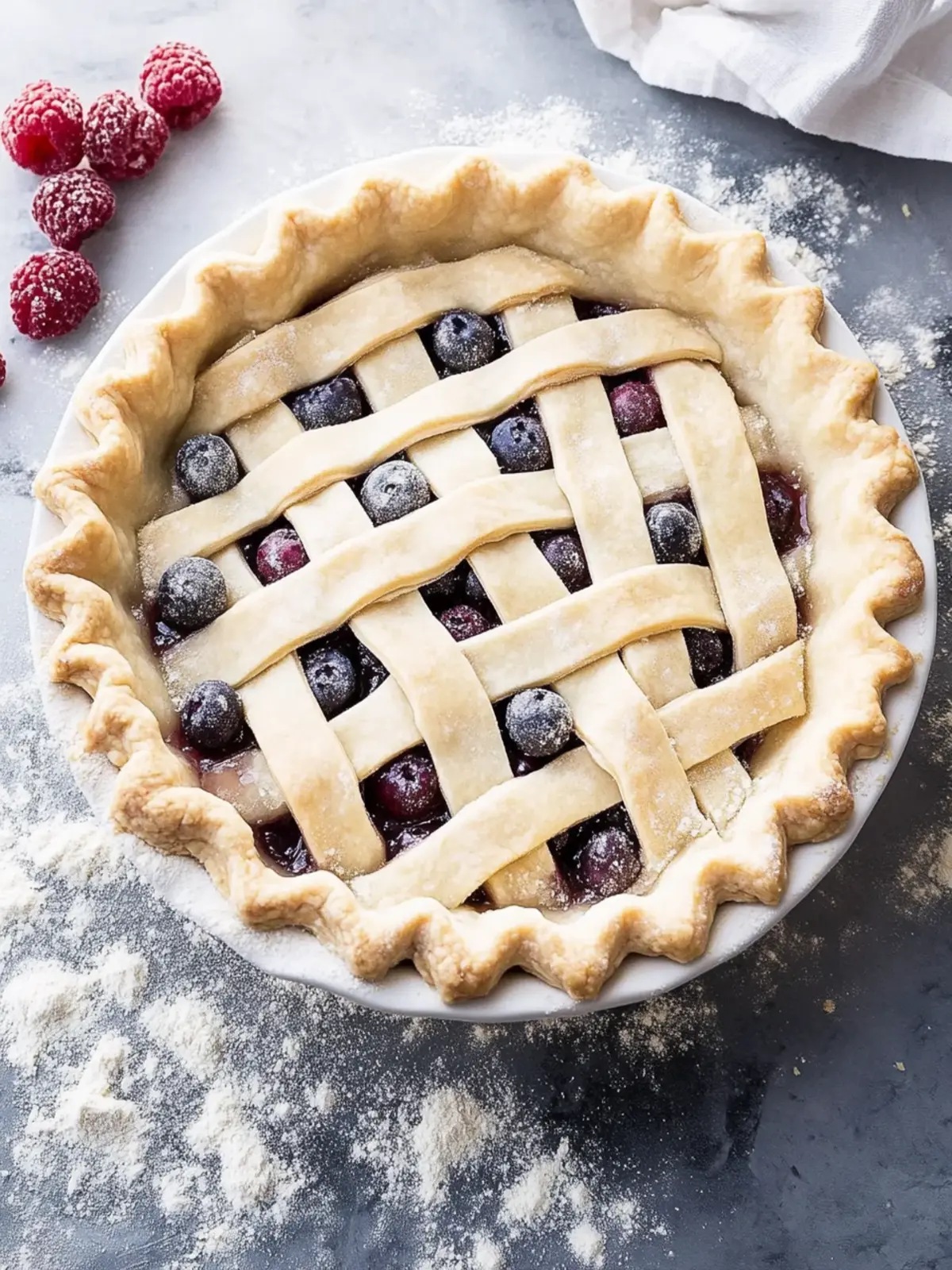
Why is this Pie Crust Recipe the Best?
Simplicity at its Best: This recipe requires just a few staple ingredients, making it accessible for both beginners and experienced bakers.
Buttery Flakiness: With the perfect balance of butter and shortening, you’ll achieve a luscious, flaky texture that melts in your mouth.
Versatile Foundation: This crust pairs beautifully with sweet and savory fillings alike, adapting to any craving.
Time-Saving Delight: The chilling time is short, allowing you to whip up a delectable pie on a busy weekday—perfect for last-minute gatherings!
Crowd-Pleasing Appeal: Once you serve a slice, friends and family will praise your baking skills and quickly ask for the recipe! If you’re looking to enhance your baking journey, check out my tips for making your desserts shine.
Pie Crust Recipe Ingredients
For the Dough
- Unsalted butter – Adds richness; using cold butter creates a flakier crust.
- Shortening – Helps achieve a tender texture; feel free to substitute with more butter if you prefer a richer flavor.
- All-purpose flour – The backbone of the crust; for gluten-free options, consider a 1:1 gluten-free flour blend.
- Sugar – Balances flavor; you can leave it out for savory pies.
- Salt – Enhances all the flavors; don’t skip this for a more balanced taste.
- Ice water – Keeps the dough cool and pliable; use more or less to achieve the right consistency.
Now that you have all the ingredients ready, you’re just a few steps away from crafting the perfect pie crust recipe for all your baking adventures!
How to Make Pie Crust
-
Combine the unsalted butter and shortening in a large bowl. Use a pastry cutter or your fingers to mix until the blend is smooth and creamy. This sets the base for that rich, flaky texture you crave!
-
Mix in the all-purpose flour, sugar, and salt. Stir together gently until the mixture resembles coarse crumbs, with little bits of butter still visible. This step is crucial for light, tender crust!
-
Add the ice water gradually, mixing just until the dough begins to form into balls. Avoid overworking the dough; you want to keep that lovely, flaky texture intact.
-
Divide the dough into two equal discs and wrap them in plastic wrap. Refrigerate for at least 30 minutes to let the dough rest. This helps the gluten relax, making rolling out easier!
Optional: Consider brushing the crust with an egg wash before baking for a beautiful golden finish.
Exact quantities are listed in the recipe card below.
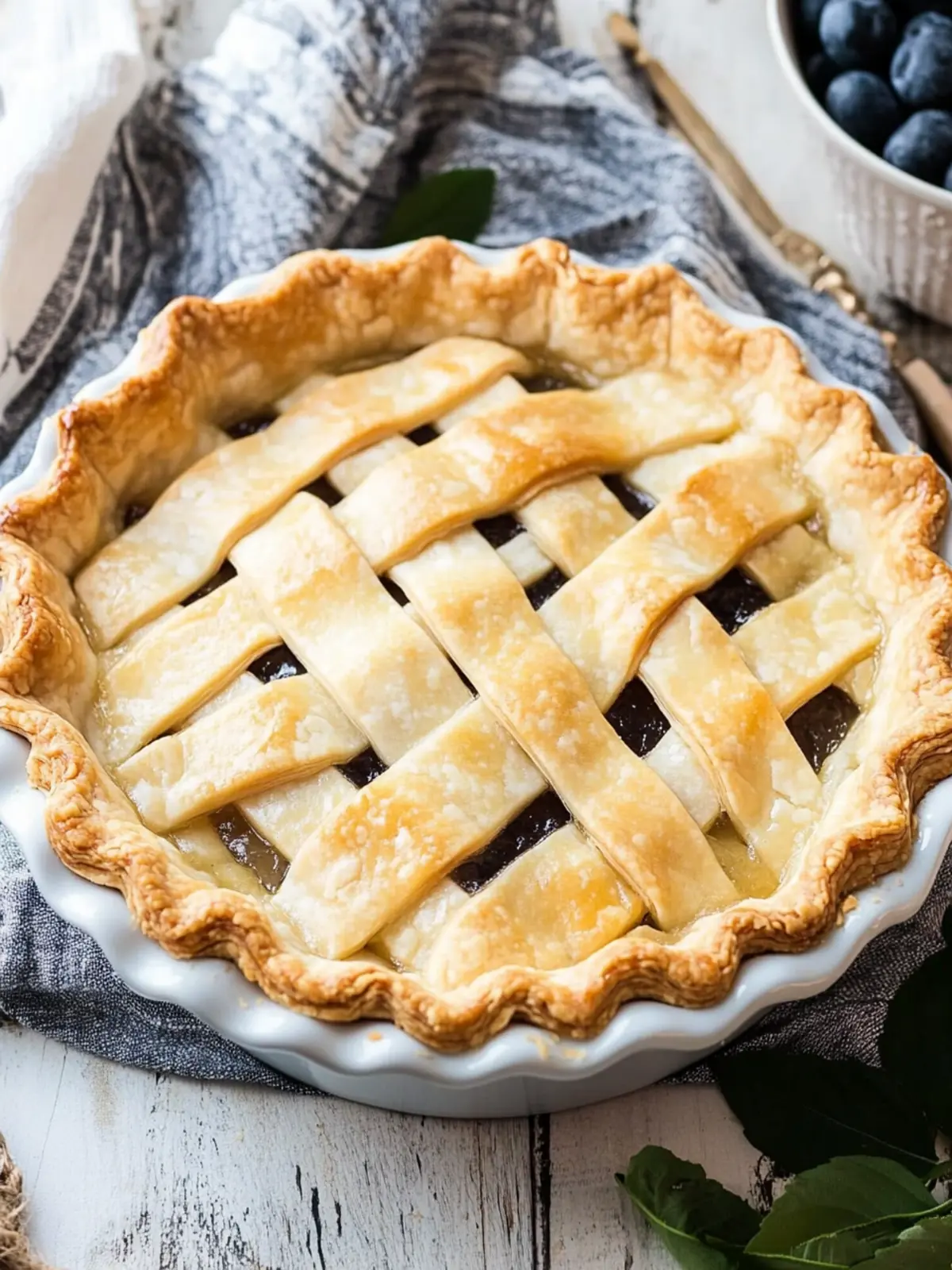
Make Ahead Options
These Pie Crust Recipe components are perfect for busy home cooks looking to streamline their meal prep! You can prepare the dough up to 3 days in advance. Simply follow the recipe until you divide the dough into discs, then wrap each disc tightly in plastic wrap after chilling. Store them in the refrigerator for up to 72 hours. For longer storage, consider freezing the wrapped discs for up to 3 months—just be sure to thaw them overnight in the fridge before rolling out. When you’re ready to bake, roll out the chilled dough and follow your favorite filling instructions for a delightful dessert that tastes just as fresh and flaky as if you’d made it on the spot!
What to Serve with Pie Crust Recipe?
Elevate your homemade pie experience by pairing it with delightful accompaniments that perfectly complement each slice.
-
Fresh Whipped Cream: A dollop of lightly sweetened whipped cream enhances the pie’s flavors, adding a luscious creaminess. This indulgent treat is the perfect partner to any fruit filling, balancing tartness with sweetness.
-
Vanilla Ice Cream: The classic pairing for warm pie, a scoop of creamy vanilla ice cream melts delightfully when placed atop a warm slice, creating a comforting, nostalgic dessert experience.
-
Fruit Compote: A fruity sauce, warm or cold, adds a vibrant touch, amplifying the pie’s filling. Seasonal options like berry or apple compote burst with flavor and color, making every bite a celebration of freshness.
-
Chocolate Ganache: Drizzling rich chocolate ganache over your pie adds a decadent twist, perfect for chocolate or nut-based pies. The silky richness beautifully contrasts with the flaky crust.
-
Cinnamon Sugar Dusting: Sprinkle a hint of cinnamon sugar over the pie for an aromatic, sweet topping that warms the palate and invites second servings. Its warm spice pairs beautifully with apple or pumpkin fillings.
-
Coffee or Hot Tea: A warm cup of coffee or herbal tea rounds out your dessert experience. The warmth and aroma enhance the overall comfort when enjoying your pie.
These pairings not only enhance your pie but also transform a simple dessert into a memorable feast that brings loved ones together. Enjoy every bite!
How to Store and Freeze Pie Crust
Room Temperature: Keep the pie crust at room temperature if you’ll be using it within the day. Wrap it in plastic wrap to prevent drying out.
Fridge: Store unused pie crust in the fridge wrapped tightly for up to 3 days. This keeps the dough cold and ready for your next baking adventure.
Freezer: For longer storage, place the wrapped pie crust in an airtight container and freeze for up to 3 months. Thaw it overnight in the fridge before using.
Reheating: If baked and stored, reheat your pie in a 350°F (175°C) oven for about 10 minutes to revive the crust’s flakiness before serving. Enjoy your delicious pie crust recipe any time!
Pie Crust Recipe Variations
Feel free to get creative with this recipe and make it uniquely yours with a few delightful twists!
-
Gluten-Free: Substitute all-purpose flour with a 1:1 gluten-free flour blend, ensuring that everyone can enjoy your delicious creations.
-
Butter Only: Use 1 cup of unsalted butter instead of butter and shortening for a deeply rich and flavorful crust.
-
Herbed Infusion: Incorporate fresh herbs like rosemary or thyme into the dough for a savory twist that complements quiches and savory pies beautifully.
-
Sweetened Crust: Add an extra tablespoon of sugar and a pinch of cinnamon for a sweet crust perfect for fruit pies or tarts; it brings out the natural flavors of the filling.
-
Nutty Texture: Replace 1/4 cup of the flour with finely ground nuts such as almond or hazelnut for a delightful crunch and warmth in every bite.
-
Choco-Delight: For a dessert twist, mix in 2 tablespoons of cocoa powder, making the crust a chocolatey base for decadent pies.
-
Spicy Kick: Add a pinch of cayenne pepper or black pepper to savory crusts for a surprising and enjoyable heat that will have guests guessing the secret ingredient.
-
Maple Twist: Use maple syrup instead of sugar for added depth and a hint of caramel flavor, making it especially scrumptious in sweet pies.
Let your creativity shine as you explore these variations, and don’t hesitate to share your favorite adaptations with others!
Expert Tips for Pie Crust Recipe
-
Use Cold Ingredients: Start with cold butter and shortening; this is key to ensuring a flaky, tender crust.
-
Don’t Overmix: When combining the ingredients, mix until just combined. Overworking the dough can lead to a tough texture.
-
Chill Before Rolling: Always refrigerate the dough before rolling it out. This step helps the fats firm up and results in a more manageable dough.
-
Check for Consistency: Add ice water gradually and mix until the dough holds together. Avoid adding too much water to prevent a soggy crust.
-
Roll Out Carefully: When rolling the dough, be gentle and use a light touch to maintain that flaky structure; too much pressure can compress the layers.
-
Use a Pie Shield: If the edges brown too quickly while baking, cover them with a pie shield or aluminum foil to prevent burning while the filling cooks.
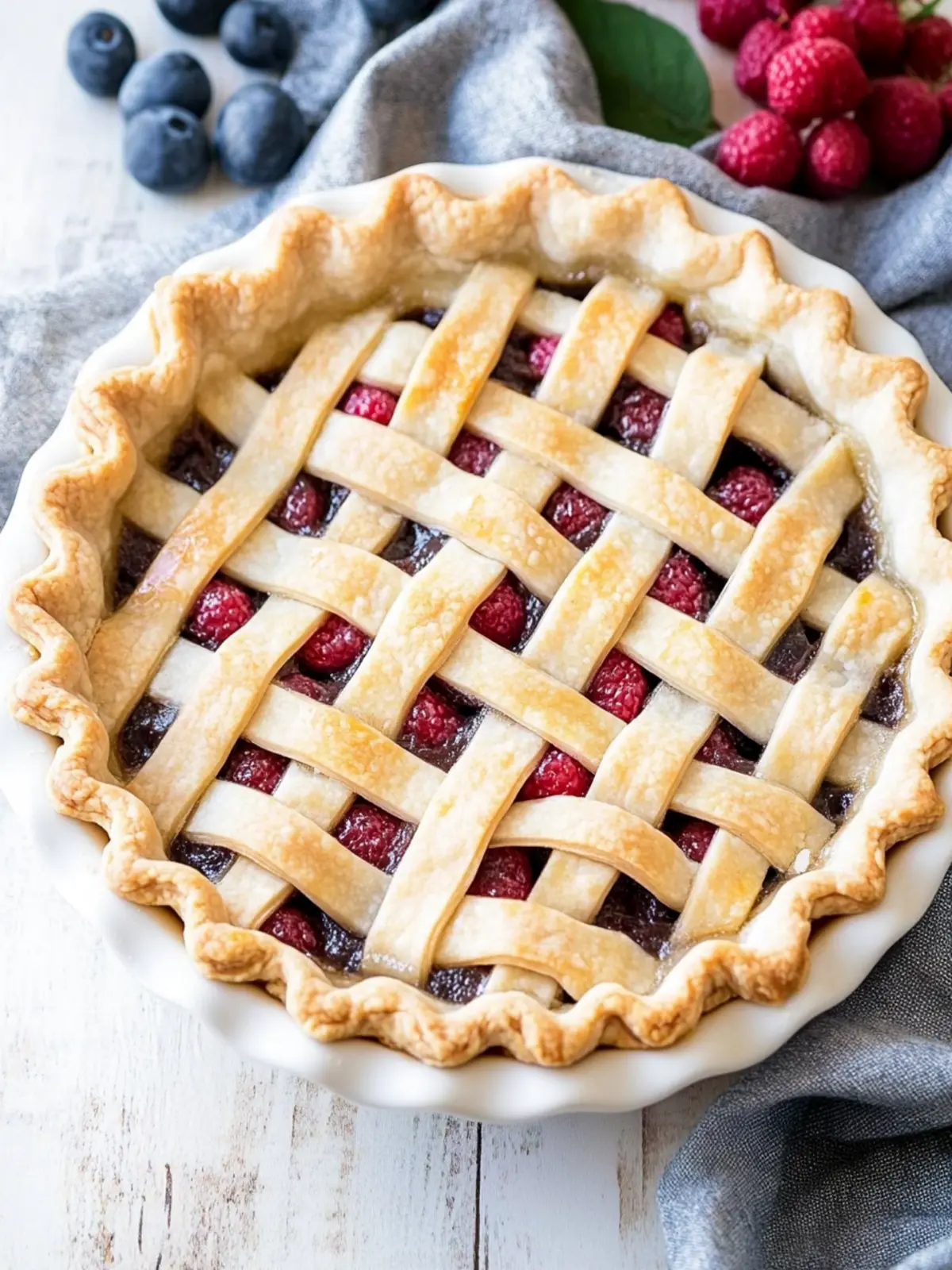
Pie Crust Recipe FAQs
How do I choose the best butter for this pie crust?
Absolutely! For the best flavor, always opt for unsalted butter. It allows you to control the saltiness of your crust. Make sure your butter is cold, as this helps create a flaky crust when mixed with the shortening.
What’s the best way to store leftover pie crust?
Very! If you have leftover dough, wrap it tightly in plastic wrap and store it in the fridge for up to 3 days. To keep it for longer, freeze the dough by placing it in an airtight container, where it can last up to 3 months. Just remember to thaw it in the refrigerator overnight before using!
Can I freeze the pie crust, and if so, how?
Absolutely! To freeze your pie crust, first wrap the dough discs in plastic wrap, making sure it’s airtight. Then, place them in a freezer-safe bag or container. When you’re ready to use it, simply thaw the crust in the fridge for a few hours or overnight. It’s as simple as that—perfect for impromptu baking!
What should I do if my pie crust is too crumbly?
Don’t worry! If you find your crust is too crumbly while mixing, it likely needs a bit more moisture. Gradually add a few more teaspoons of ice water, mixing just until the dough comes together. Be careful not to overwork the dough to maintain that lovely, flaky texture.
Can pets eat pie crust?
Very! While pie crust is not toxic to pets, it’s important to remember that it contains butter and salt, which aren’t ideal for your furry friends. It’s best to keep the crust as a human treat and opt for pet-friendly snacks. Always check with your veterinarian regarding any new food items you introduce to your pet’s diet.
How can I make this pie crust gluten-free?
Absolutely! Substitute the all-purpose flour with a 1:1 gluten-free flour blend. Ensure that your blend contains xanthan gum, which helps mimic the gluten’s binding properties. Mixing and rolling may vary slightly, so stay attentive to the dough’s consistency, adjusting with ice water as necessary to achieve the right texture.
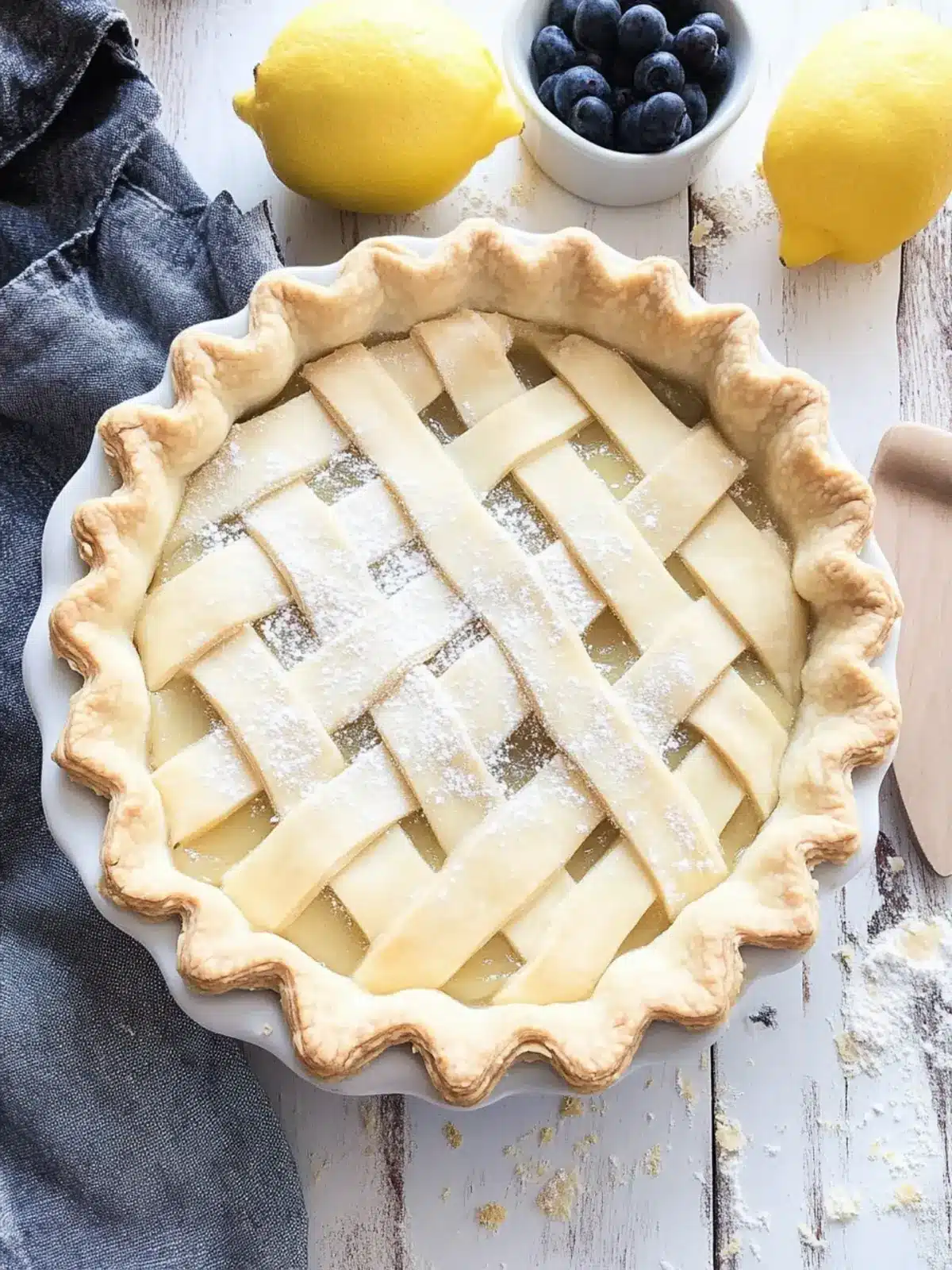
Ultimate Pie Crust Recipe for Perfect Homemade Desserts
Ingredients
Equipment
Method
- Combine the unsalted butter and shortening in a large bowl. Use a pastry cutter or your fingers to mix until the blend is smooth and creamy.
- Mix in the all-purpose flour, sugar, and salt. Stir together gently until the mixture resembles coarse crumbs.
- Add the ice water gradually, mixing just until the dough begins to form into balls.
- Divide the dough into two equal discs and wrap them in plastic wrap. Refrigerate for at least 30 minutes.
- Optional: Brush the crust with an egg wash before baking for a golden finish.