
When the chill of winter sets in and I crave something warm and comforting, Nikujaga always comes to mind. This traditional Japanese beef or pork noodle soup fills my kitchen with an irresistible aroma, merging tender meat with hearty vegetables in a broth that invites you in from the cold. Just the thought of the soft potatoes and sweet carrots simmering away brings me back to cozy evenings spent with family, laughter bubbling up like the soup on the stove.
In a world filled with fast food and takeout, this dish feels like a warm embrace on a plate—it’s not just a meal; it’s a moment of connection. The beauty of Nikujaga lies in its simplicity, letting you whip up an impressive dish that’s surprisingly quick and easy. Perfect for impressing guests or simply indulging in a bit of self-care, each savory spoonful is a reminder of the joy of homemade cooking. So, grab your apron, and let’s dive into this recipe that’s sure to become a beloved addition to your kitchen repertoire!
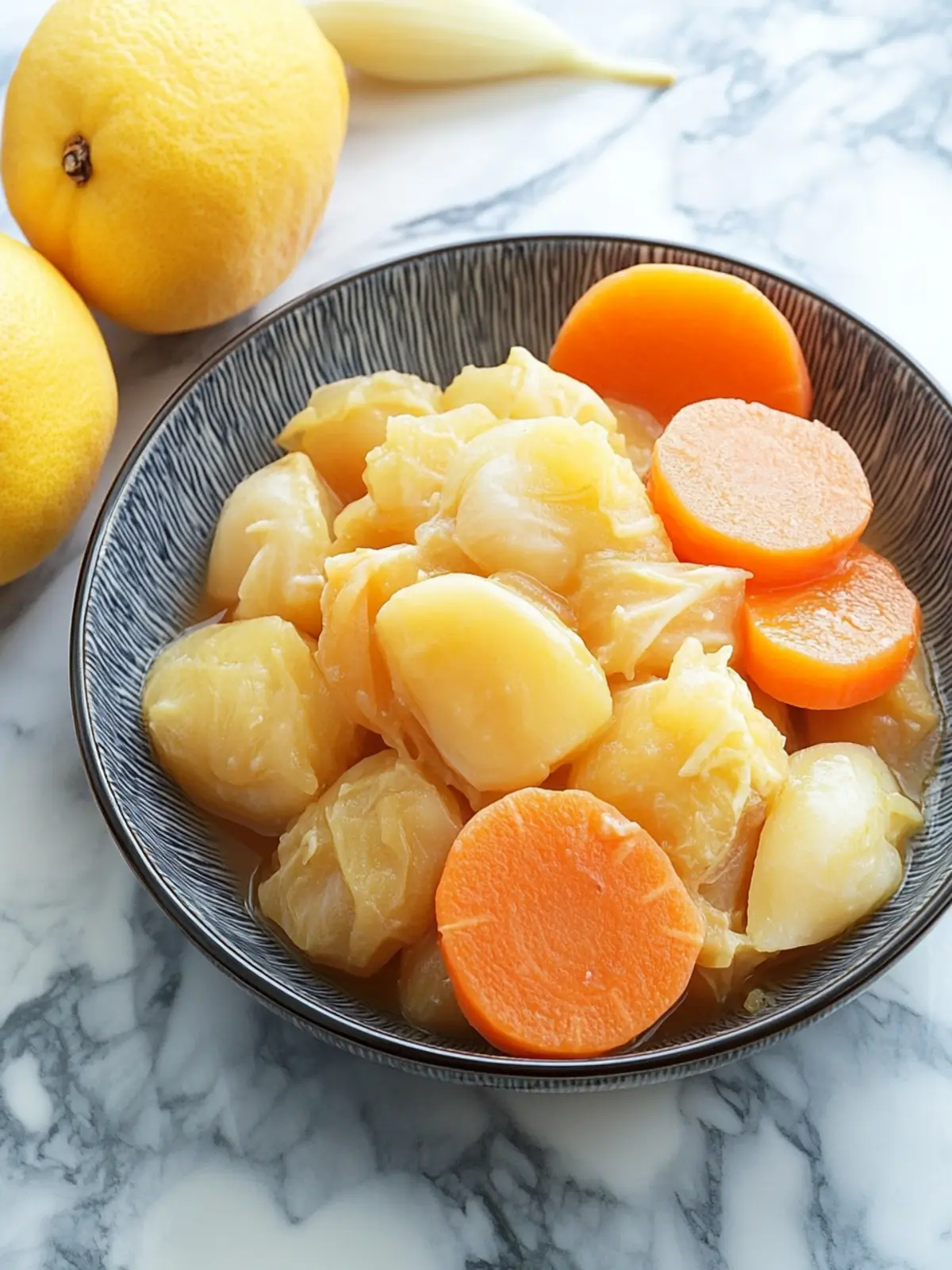
Why is Nikujaga a Must-Try Recipe?
Heartwarming warmth: This traditional dish warms you from the inside out, perfect for cold nights.
Flavorful broth: The combination of dashi stock and savory ingredients creates a rich, umami-packed experience.
Easy preparation: With straightforward steps, even novice cooks can master it in no time!
Wholesome ingredients: Packed with nutritious veggies like potatoes, carrots, and peas, it’s a guilt-free indulgence.
Versatile options: Feel free to use beef or pork, and customize with your favorite vegetables.
Crowd-pleaser: This comfort food is loved by both family and friends, making it ideal for gatherings.
Get ready to serve up a bowl that feels like a hug!
Essential Nikujaga Ingredients
Gather these key components for your Nikujaga soup:
For the Soup Base
- Thinly sliced beef (or pork) – the star of your Nikujaga, providing rich flavor and heartiness.
- Dashi stock – a must for a flavorful broth, it adds depth and authenticity to the dish.
- Soy sauce – enhances the umami and balances the richness of the meat.
- Mirin – a sweet rice wine that gives a hint of sweetness for balance.
- Sake – adds a subtle complexity, elevating the overall flavor profile.
- Sugar – just a touch helps to enhance the natural sweetness of your vegetables.
For the Vegetables
- Russet or Yukon Gold potatoes – these starchy potatoes become creamy and comforting once cooked.
- Onions – contribute sweetness and depth, melting into the soup as it simmers.
- Carrots – their bright color and natural sweetness bring joy to every spoonful.
- Blanched snow peas or green peas – sprinkle on top for a pop of color and crunch.
Optional Ingredients
- Shirataki noodles – a low-carb addition if you want to bulk up the soup without the extra calories.
Embrace the joy of creating genuine Nikujaga—it’s a dish that lovingly combines all the flavors for an experience that’s comforting and uniquely satisfying!
How to Make Nikujaga
-
Prepare the broth: In a large pot, combine the dashi stock, soy sauce, mirin, sake, and sugar. Stir gently and bring it to a soft simmer, allowing those delightful aromas to dance in your kitchen.
-
Add the meat: Carefully add the thinly sliced beef (or pork) into the pot. Let it simmer gently until the meat is cooked through and tender, about 5-7 minutes, stirring occasionally.
-
Incorporate the veggies: Toss in the chopped potatoes, onions, and carrots. Continue to simmer until the vegetables are tender and the potatoes are creamy, about 15-20 minutes. Enjoy the colors that fill your pot!
-
Add noodles (if desired): If you’re using shirataki noodles, now’s the time to add them. Heat through for just a few minutes until they’re warm and ready to enjoy.
-
Serve it up: Ladle your hot Nikujaga into bowls, topping each serving with blanched snow peas or vibrant green peas for a touch of color and crunch.
Optional: Drizzle with a hint of sesame oil for an extra layer of flavor.
Exact quantities are listed in the recipe card below.
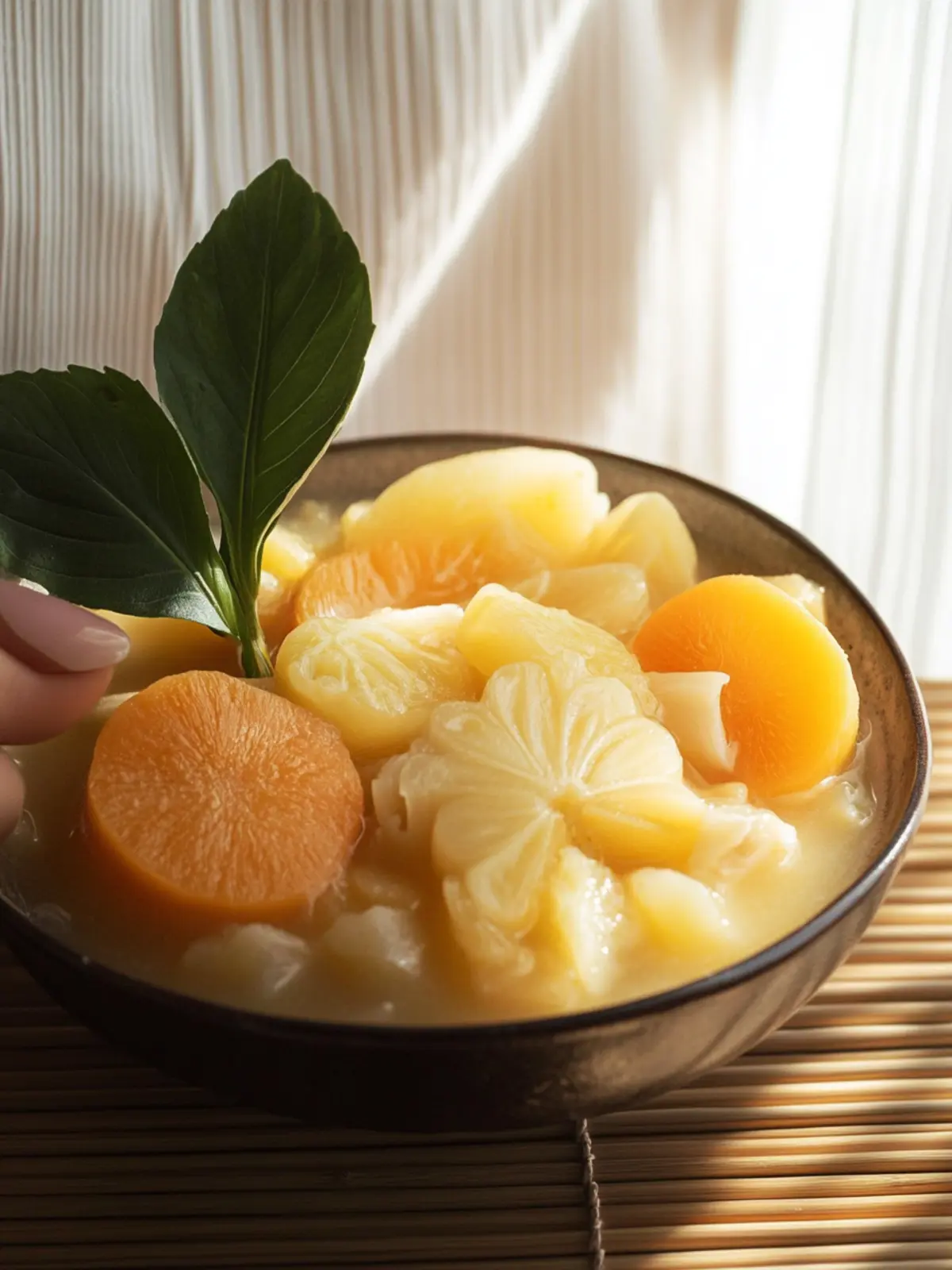
What to Serve with Nikujaga?
Pair your aromatic soup with delightful accompaniments that elevate your dining experience.
- Steamed Rice: A classic pairing, fluffy rice soaks up the savory broth, making each bite feel complete and satisfying.
- Crispy Tempura: This crunchy addition contrasts beautifully with the warm soup, offering a fun texture and a hint of indulgence.
- Pickled Vegetables: The tangy acidity of pickles cuts through the richness of Nikujaga, refreshing your palate between bites.
- Miso Soup: A warm, umami-rich broth provides an additional flavor layer, making your meal feel authentic and hearty.
- Japanese Salad: Crisp greens with a light sesame dressing add freshness and balance, letting the flavors shine without overwhelming.
- Sake Pairing: A chilled or warm glass of sake complements the intricate flavors of the soup, enhancing the overall dining experience.
- Mochi Dessert: Creamy, sweet mochi provides a delightful finish, leaving you with a taste of tradition that’s hard to resist.
- Green Tea: The mild bitterness of green tea works perfectly to cleanse the palate, making it an ideal drink alongside your comforting soup.
- Chirashi Sushi: Offering a colorful array of toppings, this sushi dish brings a festive touch to your meal, adding visual and textural variety.
- Fruit Sorbet: A light, refreshing sorbet cleanses the palate and highlights the sweetness of the vegetables in your Nikujaga.
How to Store and Freeze Nikujaga
Fridge: Store leftover Nikujaga in an airtight container in the fridge for up to 3 days. This keeps the flavors intact while ensuring freshness.
Freezer: If you want to freeze Nikujaga, let it cool completely, then transfer it to a freezer-safe container. It can be stored for up to 3 months—perfect for busy days when homemade comfort is needed!
Reheating: To reheat, thaw in the refrigerator overnight and warm it gently on the stovetop. Add a splash of water if the broth is too thick after freezing.
Avoid overcooking: When reheating, avoid boiling the soup to prevent the vegetables from becoming mushy, ensuring every bite of Nikujaga is delicious!
Make Ahead Options
These Nikujaga are perfect for meal prep enthusiasts! You can prepare the broth and cook the vegetables up to 24 hours in advance, allowing the flavors to meld beautifully in your fridge. Simply combine the dashi stock, soy sauce, mirin, sake, and sugar, then add your thinly sliced beef (or pork) along with the chopped potatoes, onions, and carrots as instructed. Store the mixture in an airtight container to keep it fresh. When you’re ready to serve, simply reheat on the stove, adding the shirataki noodles (if using) for a few minutes until heated through. This way, you’ll have a heartwarming dish ready in no time, just as delicious as if you made it fresh!
Tips for the Best Nikujaga
Use fresh ingredients: Fresh vegetables and good-quality meat enhance the flavor and texture of your Nikujaga, providing a heartwarming experience.
Don’t rush the simmer: Allow the soup to simmer gently, letting the flavors meld beautifully and the vegetables become tender without turning mushy.
Watch the salt: Since soy sauce is salty, taste the broth before adding more salt, ensuring you maintain a balanced flavor without overpowering it.
Customize your veggies: Feel free to experiment with seasonal vegetables or add mushrooms for different textures and flavors in your Nikujaga.
Garnish well: Blanched snow peas or green peas not only add color but also a crunchy contrast that enhances each spoonful of this comforting dish.
Variations & Substitutions for Nikujaga
Feel free to play around with this recipe, creating your own unique version of Nikujaga that speaks to your taste buds!
-
Vegetarian: Swap the beef or pork for tofu, which absorbs the flavorful broth beautifully.
A hearty version that’s just as comforting, this option allows the traditional flavors to shine through. -
Gluten-Free: Use tamari instead of soy sauce to ensure your broth remains gluten-free without sacrificing flavor.
With this small change, you can still embrace the umami goodness while catering to dietary needs. -
Spicy Kick: Add a pinch of red pepper flakes or chili oil for those who love a bit of heat in their soup.
This twist brings a whole new level of excitement while maintaining the essence of your comforting Nikujaga. -
Sweet Potato: Substitute regular potatoes with sweet potatoes for a touch of natural sweetness and a vibrant twist.
This not only enhances the flavor but also adds an inviting splash of color to your bowl! -
Broth Boost: For a deeper flavor, consider adding a dash of fish sauce to the broth along with the other ingredients.
This little addition can elevate the umami profile even further, enriching every spoonful with savory goodness. -
Mushroom Medley: Toss in some shiitake or enoki mushrooms for extra texture and earthiness in your dish.
These mushrooms complement the soup beautifully and bring a delightful umami flavor that everyone will adore. -
Coconut Milk: For an exotic twist, stir in a bit of coconut milk towards the end for a creamy, tropical touch.
This unexpected delight transforms your Nikujaga into a warming comfort dish with a hint of sweetness. -
Savory Herbs: Garnish with freshly chopped scallions or cilantro for a bright finish that will elevate the dish.
This easy addition brings a refreshing flavor that pairs wonderfully with the heartiness of the soup!
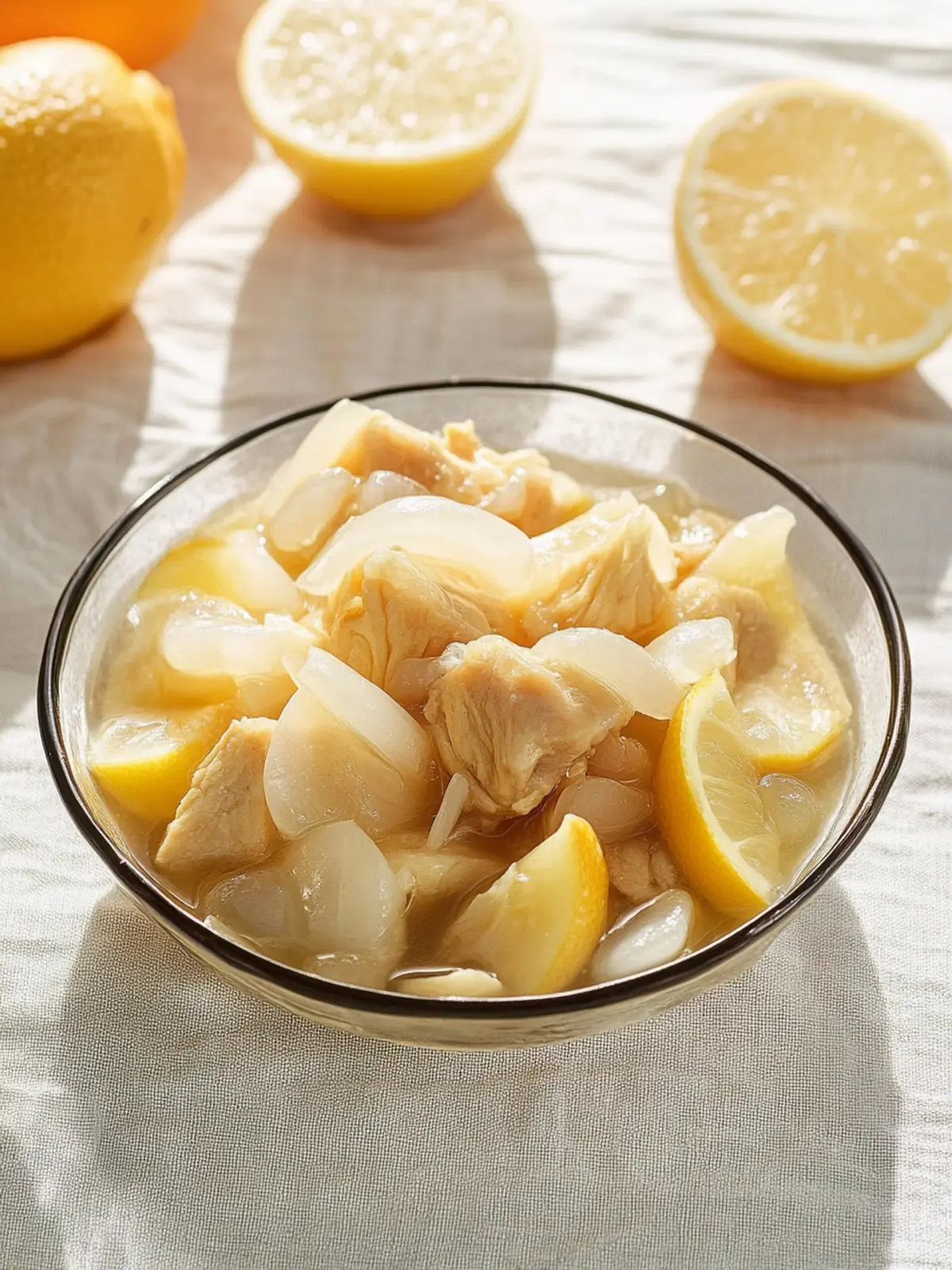
Nikujaga Recipe FAQs
What type of meat is best for Nikujaga?
Absolutely! Thinly sliced beef is traditional for Nikujaga, but you can also use pork for a slightly different flavor. Look for well-marbled cuts that will stay tender during cooking, like beef ribeye or pork shoulder.
How should I store leftover Nikujaga?
To keep your Nikujaga fresh, store it in an airtight container in the fridge for up to 3 days. This helps preserve the flavors and keeps the ingredients delicious!
Can I freeze Nikujaga?
Yes, you can! Allow the soup to cool completely, then transfer it to a freezer-safe container or heavy-duty freezer bag. Properly stored, it can last up to 3 months. When you’re ready to enjoy it, thaw overnight in the fridge and reheat it gently on the stovetop.
What’s the best way to reheat frozen Nikujaga?
To reheat, place the thawed Nikujaga in a pot and warm it over low heat. If the broth seems too thick after freezing, simply add a small splash of water or broth to reach your desired consistency. Stir often to avoid boiling, as you want to keep those vegetables tender!
Are there any allergens in Nikujaga?
Nikujaga can contain common allergens like soy (from soy sauce) and alcohol (from mirin and sake). If you’re cooking for someone with allergies, you can substitute gluten-free soy sauce and skip the alcohol. Feel free to ask about any specific dietary restrictions, and I’m here to help you adjust the recipe!
What should I do if my soup is too salty?
If your Nikujaga turns out too salty, don’t fret! You can add more chopped vegetables or even a peeled, raw potato to absorb some of the excess salt. Allow it to simmer for a few extra minutes before removing the potato; it works wonders to balance the flavors!
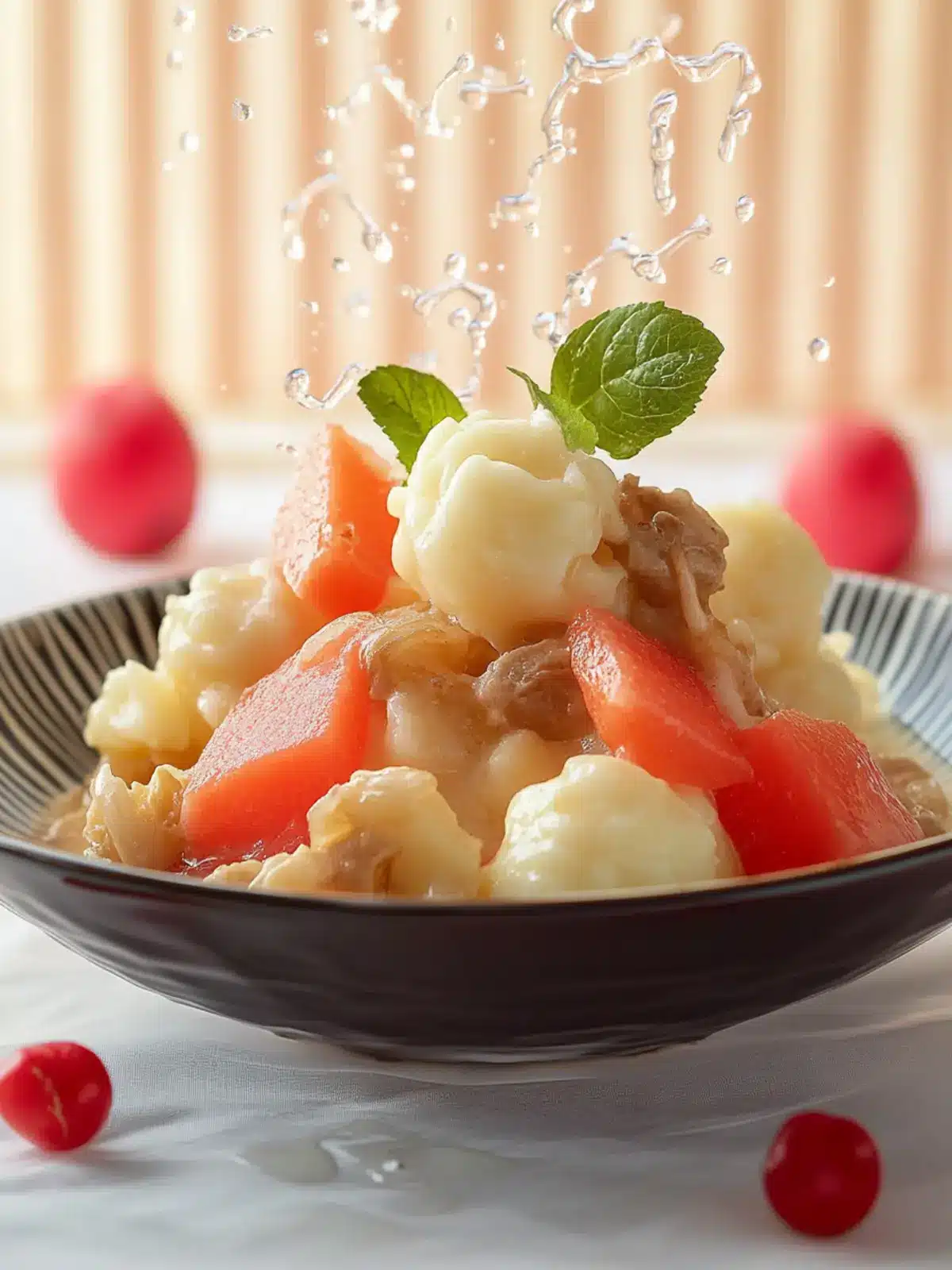
Craft Irresistible Nikujaga: Heartwarming Japanese Comfort Food
Ingredients
Equipment
Method
- In a large pot, combine the dashi stock, soy sauce, mirin, sake, and sugar. Stir gently and bring it to a soft simmer.
- Add the thinly sliced beef (or pork) into the pot. Let it simmer gently until the meat is cooked through and tender, about 5-7 minutes.
- Toss in the chopped potatoes, onions, and carrots. Simmer until the vegetables are tender and the potatoes are creamy, about 15-20 minutes.
- If using shirataki noodles, add them now. Heat through for just a few minutes.
- Ladle into bowls, topping each serving with blanched snow peas or green peas.