
Every now and then, I find myself longing for a twist on traditional comfort food, one that sparks joy and wonder with every bite. Picture this: a bowl of paccheri enveloped in a creamy sauce, laced with the rich umami of gochujang and the earthy warmth of sautéed mushrooms. This Gochujang Pasta isn’t just another dish—it’s a delicious adventure that takes your taste buds on a delightful journey.
I remember the first time I crafted this unique meal. I had some leftover gochujang sitting in my pantry, and as those silky strands of pasta danced in the pot, I knew I had stumbled upon something special. Perfect for those evenings when you’re craving something comforting but don’t want to rely on the usual fast-food fixes. The vibrant flavors blend effortlessly, making it both a savory delight and a visual feast.
This easy recipe caters to everyone—from home cooks looking to impress, to busy professionals in need of a fast yet satisfying dinner. Let’s dive into this culinary adventure together, shall we?
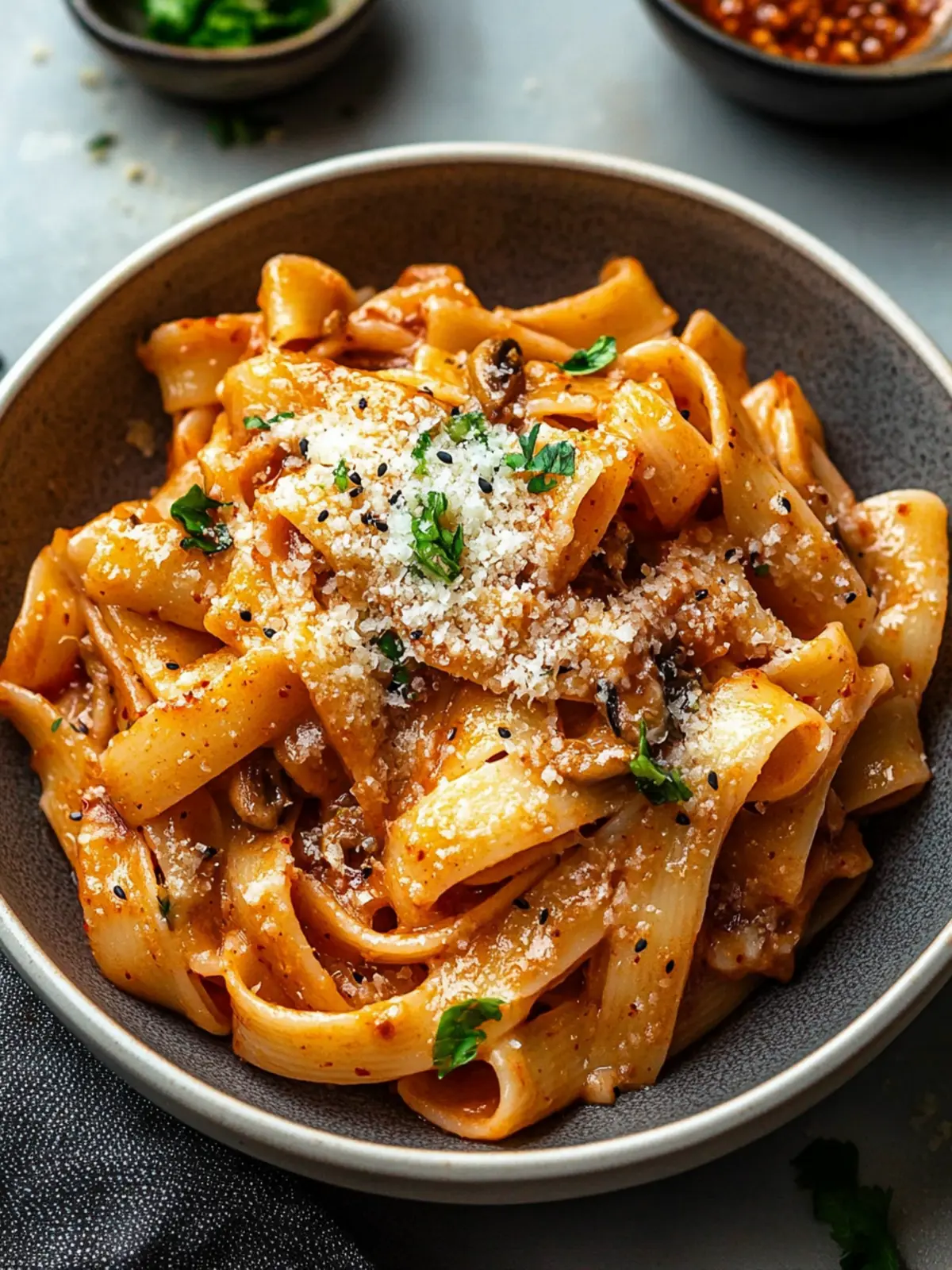
Why is Gochujang Pasta a must-try?
Bold flavors: This recipe combines the spicy kick of gochujang with creamy goodness, creating an unforgettable taste sensation.
Easy to make: A simple process makes this dish perfect for both beginners and seasoned chefs alike.
Unique twist: Elevate your traditional pasta nights with this exciting twist that stands out from everyday meals.
Crowd-pleaser: Whether it’s family dinner or a gathering with friends, everyone will be raving about this flavorful dish.
Flexibility: Customize with your favorite veggies or protein for a meal that suits your tastes—try adding some greens for a nutritious boost!
Gochujang Pasta Ingredients
For the Pasta
• Paccheri or Rigatoni – 8.8 oz of your choice; opt for gluten-free if needed for a delightful slurp.
For the Aromatics
• Garlic Clove – 1 oz, thinly sliced to bring out rich flavors that dance on your palate.
• Shallot – 1 oz, finely chopped for a sweet, aromatic base that complements the dish.
For the Sauce
• White Button or Cremini Mushrooms – 10 oz, sliced to add earthiness and texture to your pasta.
• Olive Oil – 3 tbsp; enhances the sautéing process while imparting a fruity, rich flavor.
• Coarse Sea Salt – 2 pinches or more to taste, acting as a flavor enhancer that binds everything together.
• Gochujang Paste – 2-3 tbsp, bringing that signature spicy kick to your gochujang pasta that you won’t forget!
• Half-and-Half or Dairy-Free Creamer – 1 cup, adding luscious creaminess that envelops the pasta beautifully.
For the Finish
• Butter – 1 tbsp, for a silky finish that adds depth to the sauce.
• Grated Parmesan or Cashew Parmesan – A sprinkle on top brings a nutty flavor that elevates the dish.
• Chopped Chive – A final sprinkle for a fresh burst of color and mild onion flavor that completes your masterpiece.
How to Make Gochujang Pasta
-
Cook the pasta according to package instructions until al dente, usually about 8-10 minutes. Drain and set aside, allowing them to rest for best texture.
-
Sauté the aromatics: Heat olive oil in a large skillet over medium heat. Add the garlic and shallot, cooking until softened and fragrant, about 2-3 minutes.
-
Add the mushrooms: Toss in the sliced mushrooms and sauté them until they’re browned and tender, roughly 6-8 minutes. They should have a lovely golden color.
-
Stir in the sauce ingredients: Mix in the gochujang paste, sea salt, and half-and-half cream. Stir well and let it simmer for 3-4 minutes until everything is combined and vibrant.
-
Combine the pasta: Add the drained pasta to the skillet, tossing to coat each piece with the rich sauce. Let it heat together for an additional 1-2 minutes.
-
Finish with butter: Remove from heat and stir in the butter until melted and creamy, giving your dish a luxurious texture.
-
Serve your masterpiece with a sprinkle of grated parmesan or cashew parmesan and a dash of chopped chive for that beautiful finishing touch.
Optional: Add a drizzle of sesame oil for an extra layer of flavor.
Exact quantities are listed in the recipe card below.
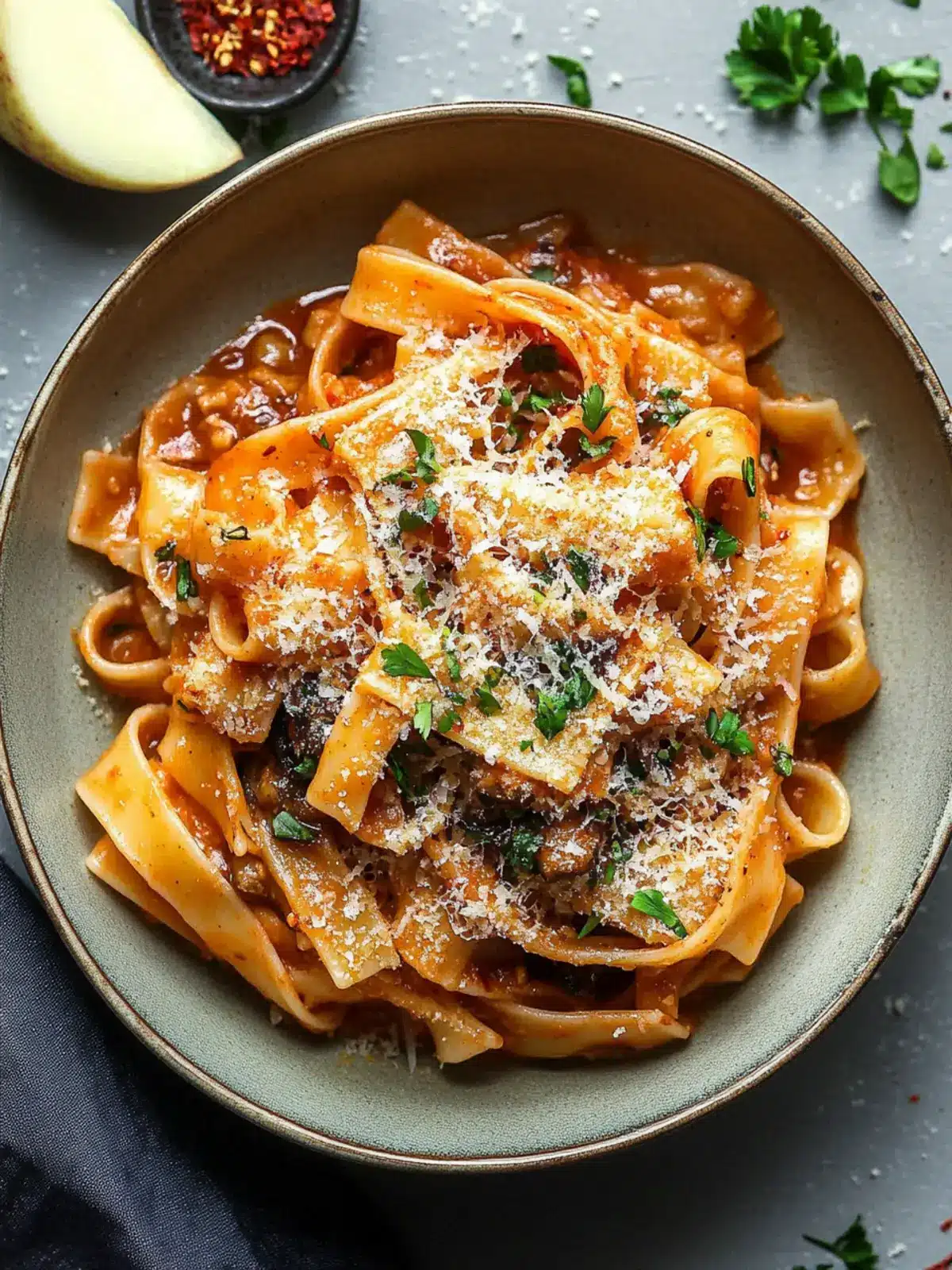
Gochujang Pasta Variations & Substitutions
Get creative and make this dish your own with delightful twists that tickle your taste buds.
-
Spicy Kick: Add a teaspoon of chili flakes for an extra heat boost that’ll thrill spice lovers! The warmth will truly awaken your palate.
-
Vegan Delight: Substitute heavy cream with coconut cream and use cashew parmesan for a rich, dairy-free experience. Your taste buds won’t miss the dairy!
-
Protein-Packed: Toss in grilled chicken or shrimp for a heartier dish. It’s a satisfying addition that transforms this pasta into a full meal!
-
Veggie Boost: Include leafy greens like spinach or kale for added nutrition. Not only will they enhance the texture, but they’ll also add lovely color.
-
Mushroom Medley: Experiment with different mushroom varieties, such as shiitake or portobello, to create a depth of flavor that’s exciting and new!
-
Noodle Diversity: Feel free to swap out paccheri for whole wheat or zucchini noodles for a lighter meal that still packs a punch in flavor.
-
Nutty Twist: Add a handful of toasted sesame seeds for a crunchy texture that contrasts beautifully with the creamy sauce. It’s a delightful surprise in each bite!
-
Herb Infusion: Try fresh basil or cilantro in place of chives for an aromatic finish that elevates the dish with fresh hints of aroma.
With these ideas, your gochujang pasta can adapt to your cravings and dietary needs, ready to surprise your family or impress your guests!
Expert Tips for Gochujang Pasta
• Pasta Perfection: Always cook your paccheri or rigatoni al dente, as overcooked pasta can turn mushy and lose its delightful chewiness.
• Mushroom Magic: Allow the mushrooms to brown thoroughly; this brings out their natural sweetness and enhances the overall flavor of your gochujang pasta.
• Balance the Spice: Start with less gochujang (1-2 tbsp) and adjust to your heat preference. This prevents overpowering the other flavors in the dish.
• Creamy Consistency: If your sauce is too thick, add a splash more of half-and-half or some reserved pasta water to reach your desired creaminess.
• Garnish with Care: Finish your dish with freshly grated parmesan or cashew parmesan to add a touch of umami that perfectly complements the sauce.
• Customize: Feel free to add vegetables like spinach or cherry tomatoes to make this dish even more colorful and nutritious while adding fresh flavors.
How to Store and Freeze Gochujang Pasta
Fridge: Store leftover gochujang pasta in an airtight container for up to 3 days. This helps maintain its creamy texture while allowing flavors to meld.
Freezer: For longer storage, freeze the pasta in a freezer-safe container for up to 2 months. Just be sure to leave some space for expansion!
Reheating: To reheat, thaw overnight in the fridge and warm gently in a skillet over medium heat, adding a splash of cream or water to restore the sauce’s creaminess.
Avoid Overcrowding: When freezing, portion the pasta into smaller servings to make reheating easier and to maintain that delicious flavor profile!
Make Ahead Options
These Gochujang Pasta preparations are perfect for busy weeknights! You can cook the pasta up to 24 hours in advance; simply drain and toss it with a bit of olive oil to prevent sticking. The sauce, featuring mushrooms, gochujang, and cream, can be prepped and stored in an airtight container in the fridge for up to 3 days. When you’re ready to serve, just reheat the sauce in a skillet, add the cooked pasta, and toss until warmed through. Stir in the butter at the end for that silky finish. This way, you’ll enjoy delightful homemade meals with minimal effort, savoring every bold bite!
What to Serve with Paccheri with Gochujang and Mushrooms?
Elevate your dining experience with these delightful pairings that harmonize beautifully with the rich, spicy flavors of your pasta.
-
Garlic Bread: The crispy, buttery goodness of garlic bread makes a perfect companion, adding a crunch to every bite. It’s the ideal tool for mopping up that luscious sauce!
-
Crispy Green Salad: A fresh mixed salad with crisp greens and a zesty vinaigrette balances the creaminess of the pasta. The bright flavors make each forkful feel vibrant and revitalizing.
-
Roasted Brussels Sprouts: The caramelized edges of roasted Brussels sprouts provide a satisfying crunch and an earthy flavor that complements the umami of the gochujang.
-
Sesame Spinach: Tender sautéed spinach with a hint of sesame oil not only adds vibrant color but also a nutty depth, creating layers of flavor that dance alongside your pasta.
-
Miso Soup: This warm, comforting bowl of miso soup offers umami flavors that resonate with the gochujang pasta. It’s a fantastic way to start your meal!
-
Chadok Rice: Aromatic Korean rice adds a lovely chewy texture and its mild taste serves as an excellent canvas for the bold flavors of the dish.
-
Chilled Rosé: A crisp, chilled rosé wine brings refreshing acidity to cut through the richness of your meal, enhancing the dining experience with every sip.
Each of these pairings adds its own unique touch, inviting you to enjoy a symphony of flavors that transform an ordinary dinner into an extraordinary feast!
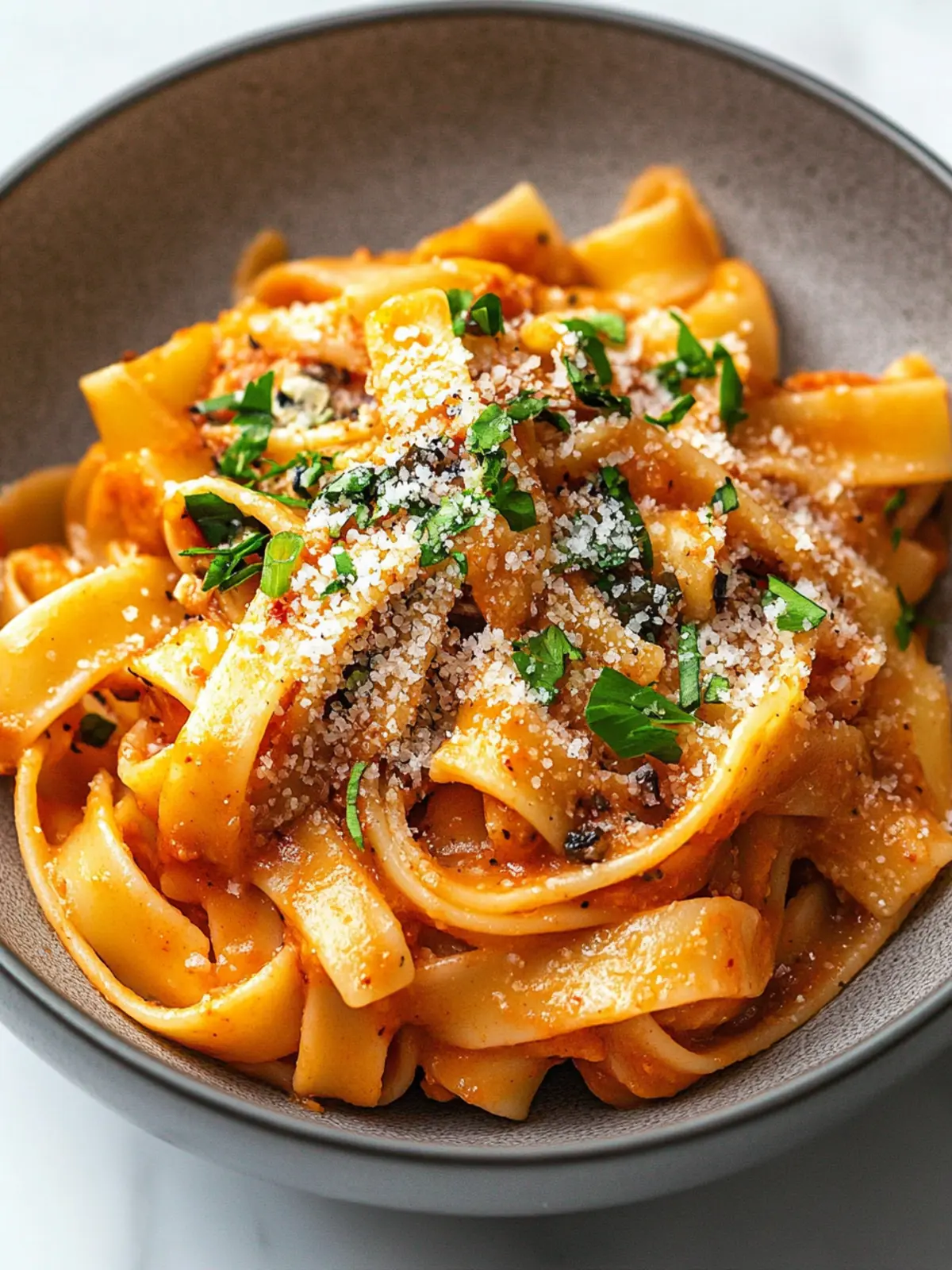
Gochujang Pasta with Mushrooms Recipe FAQs
What type of pasta should I use for Gochujang Pasta?
Absolutely! I recommend using paccheri or rigatoni for this recipe. They hold the creamy sauce beautifully and add a delightful bite. If you’re gluten-sensitive, opt for gluten-free varieties that work just as well!
How should I store leftovers of Gochujang Pasta?
You can store leftover gochujang pasta in an airtight container in the refrigerator for up to 3 days. This will help keep the flavors vibrant and the texture creamy. Just be sure to reheat it gently to prevent the pasta from becoming mushy!
Can I freeze Gochujang Pasta?
Yes, you certainly can! To freeze, place the cooled pasta in a freezer-safe container, making sure to leave a bit of space at the top for expansion. It will keep well for up to 2 months. When you’re ready to enjoy it again, thaw overnight in the fridge and reheat on the stove or in the microwave.
What should I do if my gochujang sauce is too thick?
No problem! If the sauce ends up too thick after cooking, you can easily adjust it. Just add a splash of additional half-and-half or even some reserved pasta water to loosen the sauce until it reaches your desired consistency. Stir well, and it should smooth out beautifully.
Are there any dietary considerations I should be aware of with this recipe?
Great question! This recipe can accommodate various dietary needs. For a dairy-free option, simply use a dairy-free creamer and cashew parmesan. If you have any allergies, always check your labels to ensure there are no hidden ingredients that might cause issues. Enjoy customizing it to fit your needs!
What is the best way to tell if my mushrooms are ripe?
When selecting mushrooms for your Gochujang Pasta, look for ones that are firm, dry, and clean. Avoid mushrooms that have dark spots all over or are slimy. They should have a pleasant earthy smell. If you’re unsure, using white button mushrooms is always a safe and tasty choice!
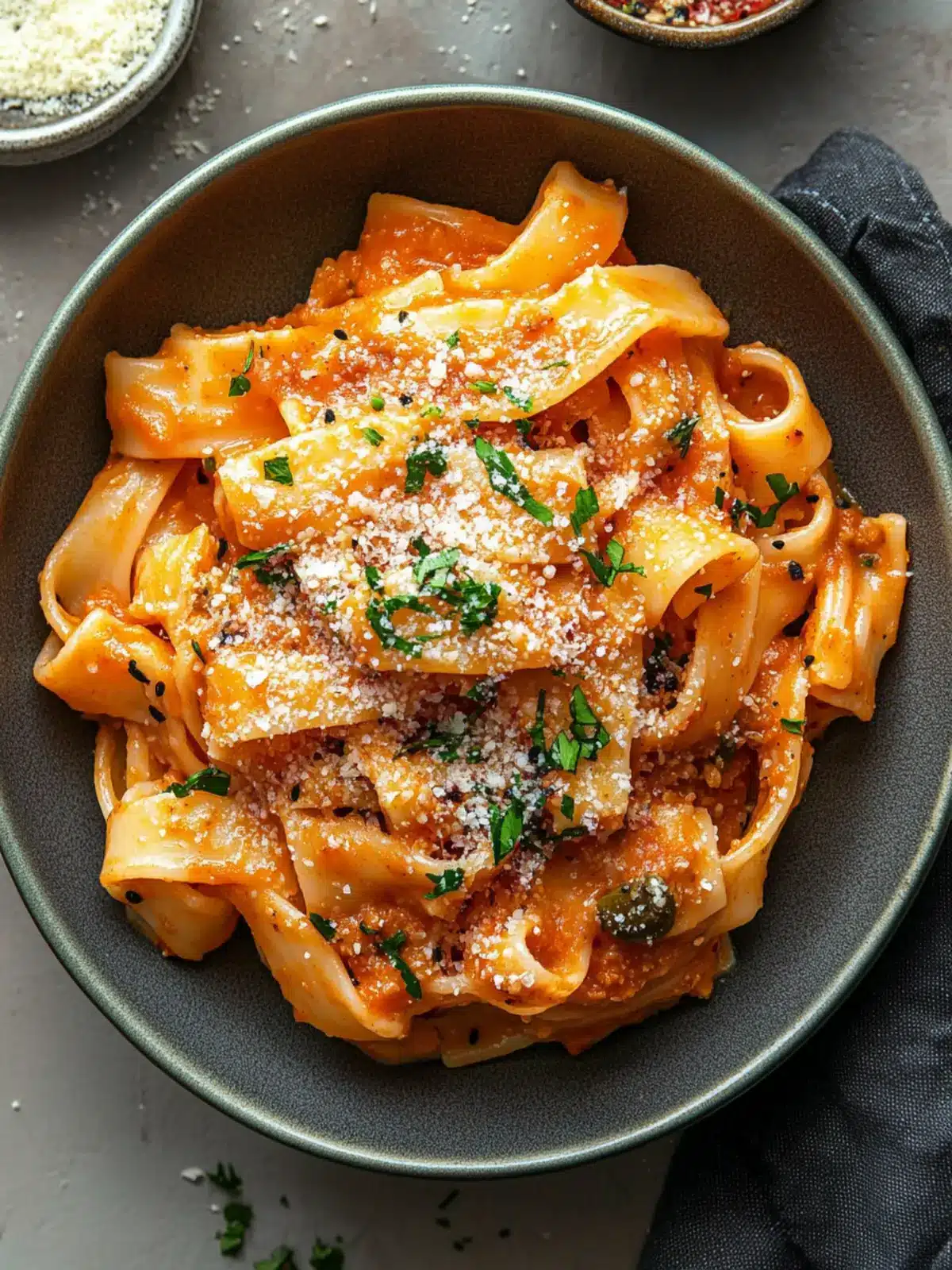
Gochujang Pasta with Mushrooms for Bold Flavor Lovers
Ingredients
Equipment
Method
- Cook the pasta according to package instructions until al dente, usually about 8-10 minutes. Drain and set aside.
- Sauté the aromatics: Heat olive oil in a large skillet over medium heat. Add the garlic and shallot, cooking until softened, about 2-3 minutes.
- Add the mushrooms: Toss in the sliced mushrooms and sauté them until they're browned, roughly 6-8 minutes.
- Stir in the sauce ingredients: Mix in the gochujang paste, sea salt, and half-and-half. Stir well and let simmer for 3-4 minutes.
- Combine the pasta: Add the drained pasta to the skillet, tossing to coat with sauce. Heat together for 1-2 minutes.
- Finish with butter: Remove from heat and stir in butter until melted, giving a luxurious texture.
- Serve your masterpiece with a sprinkle of grated parmesan or cashew parmesan and chopped chive.