
As the first chill of winter settles in, I find myself craving a bowl of warmth, and nothing fits the bill quite like Thenthuk—a traditional Tibetan noodle soup that feels like a comforting hug on a chilly evening. The moment the aromatic garlic and ginger hit the sauté pan, my kitchen transforms into a cozy haven, inviting both memories and appetites. This hearty dish, with its tender pulled noodles nestled in a vibrant broth brimming with fresh vegetables, offers not just nourishment, but an experience that pulls me away from the mundane fast-food routine.
The beauty of Thenthuk lies in its versatility and ease—it’s quick to prepare and can be tailored to whatever seasonal veggies you have on hand. Whether you’re vegan, looking for a warming winter meal, or simply in need of a culinary adventure, this comforting dish is here to elevate your dining experience. Join me as we prepare this delightful bowl of goodness that warms both body and soul!
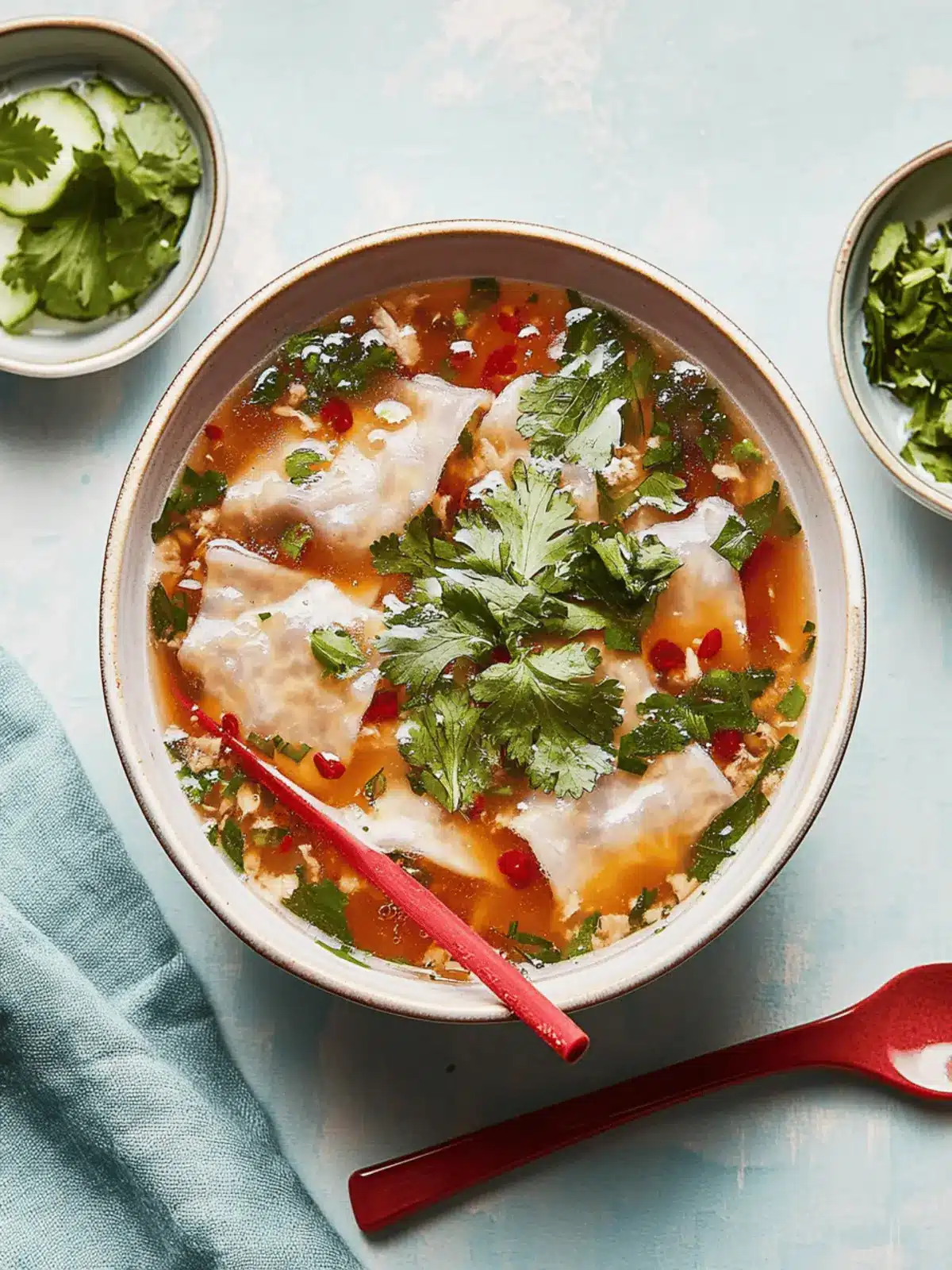
Why Is Thenthuk Your New Favorite Soup?
Comforting Warmth: Thenthuk is a cozy embrace in a bowl, perfect for those chilly nights.
Quick & Easy: With simple ingredients and straightforward steps, you’ll have dinner ready in no time!
Versatile Ingredients: Swap in any seasonal vegetables or proteins you prefer for a personalized touch.
Nutrient-Rich: Packed with fresh veggies, this soup is as wholesome as it is delicious.
Crowd-Pleasing Appeal: Whether you’re hosting or enjoying a solo meal, this dish is sure to satisfy everyone at the table.
This hearty vegetarian noodle soup is all about warmth and flavor, making it the ideal antidote to fast-food fatigue!
Hearty Thenthuk Ingredients
For the Noodles
- Flour – Provides structure for the noodles; opt for all-purpose flour or mix in whole wheat flour for a nutritional boost.
- Water – Hydrates the flour to create the dough; adjust the amount as needed for the right consistency.
For the Broth
- Vegetable Broth – Serves as the flavorful base of the soup; homemade or store-bought options work well.
- Garlic – Aromatic essence that enhances the broth; feel free to increase for a stronger flavor.
- Ginger – Adds warmth and depth to the dish; adjust depending on your preference for spice.
- Soy Sauce – For umami goodness and seasoning; tamari can be substituted for a gluten-free alternative.
- Salt & Pepper – Essential for flavor balancing; add to taste for the perfect seasoning.
For the Vegetables
- Vegetables (Carrots, Potatoes, Bok Choy) – These add nutrition and flavor; substitute with your seasonal favorites for variety.
- Green Onions – Ideal for garnishing, adding a fresh crunch; can be replaced with chives if desired.
How to Make Thenthuk
-
Prepare the Dough: In a large mixing bowl, combine flour with water to form a smooth and pliable dough. Let it rest for about 15 minutes, which allows the gluten to relax for easier rolling.
-
Chop the Vegetables: Wash and chop your chosen vegetables into bite-sized pieces, ensuring they cook evenly. Consider vibrant seasonal selections like carrots, potatoes, and bok choy for a colorful, nutritious soup.
-
Sauté Aromatics: In a large pot, heat a splash of oil over medium heat. Add minced garlic and ginger, sautéing until fragrant—about 1-2 minutes. This step will fill your kitchen with comforting aromas!
-
Add Broth: Pour in the vegetable broth and bring it to a gentle simmer. The broth serves as the foundation of flavors for your hearty soup.
-
Cook Vegetables: Introduce your chopped vegetables into the simmering broth and cook until tender, about 8-10 minutes. The veggies should remain vibrant and slightly crisp to add texture.
-
Pull Noodles: Roll out your rested dough on a flour-dusted surface into thin sheets. Then, using your hands, gently pull pieces into rough noodle shapes, adding them directly to the bubbling soup.
-
Finish Cooking: Allow the noodles to cook in the broth for another 5-7 minutes, until they’re soft yet slightly chewy—a perfect balance that makes each bite delightful.
-
Season & Serve: Taste and adjust seasoning with soy sauce, salt, and pepper. Serve hot, garnished with fresh chopped green onions for an added crunch and flavor boost.
Optional: Drizzle with a bit of sesame oil for an extra layer of richness.
Exact quantities are listed in the recipe card below.
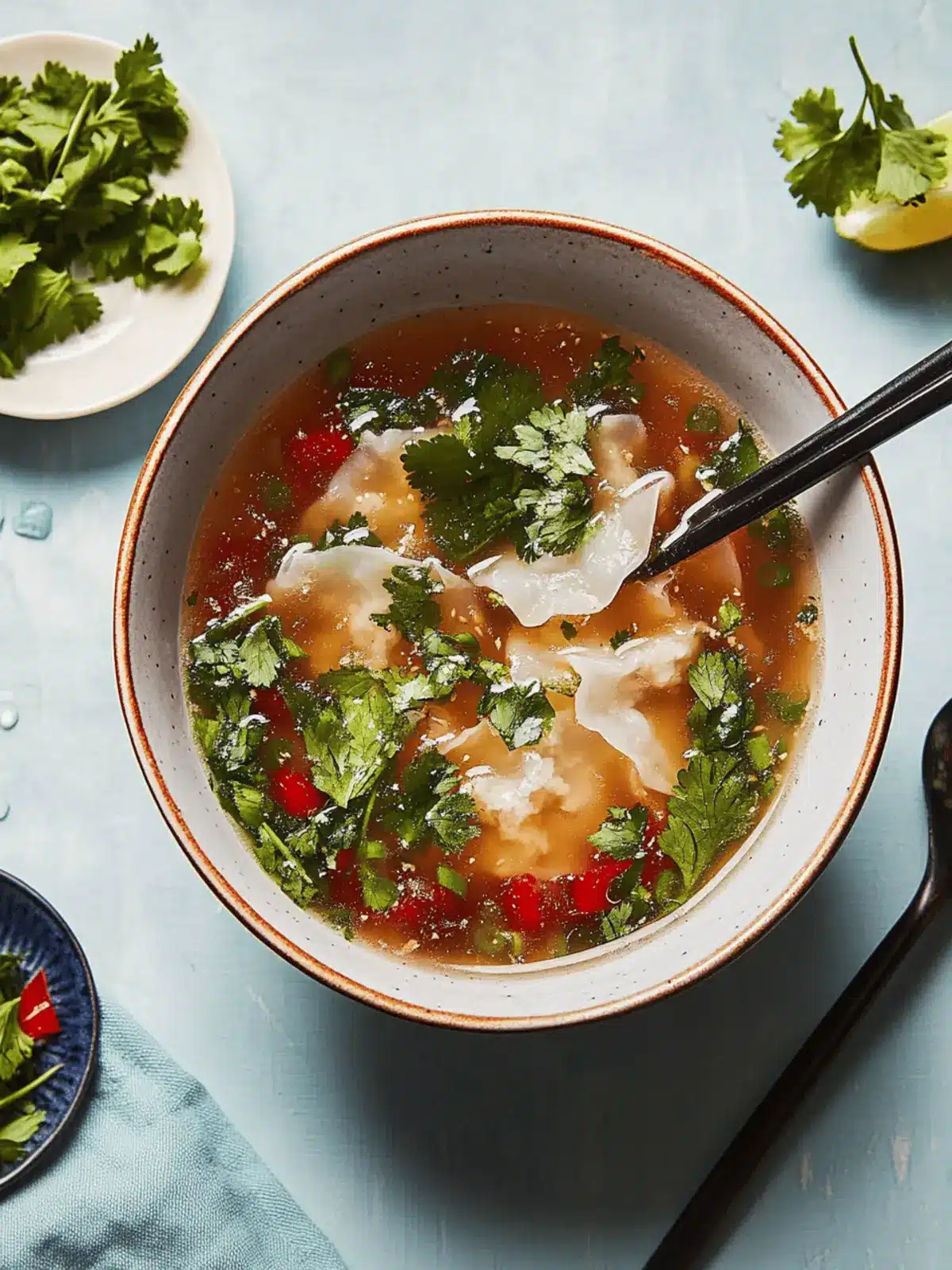
What to Serve with Thenthuk?
Imagine cozying up to a bowl of aromatic noodles on a brisk evening, where every bite is a warm and flavorful escape.
- Crusty Bread: Perfect for dipping into the broth, its crispy exterior and soft inside complement the soup’s richness.
- Pickled Vegetables: The tanginess of pickles balances the savory notes, offering a delightful contrast with each spoonful.
- Steamed Dumplings: Soft, delicate dumplings provide a hearty addition, enhancing the overall texture of the meal. Pair them with a soy dipping sauce for a flavor knockout!
- Fresh Green Salad: Light and crisp, a salad with seasonal greens brightens the meal, offering a fresh crunch that invigorates each bite.
- Herbed Rice: Fluffy rice seasoned with herbs serves as a supportive side, perfect for soaking up the delicious broth.
- Chili Oil or Sauce: A dash of spice can take your Thenthuk to the next level, adding a fiery kick for those who seek adventure in their dining experience.
- Fruit Salad or Sorbet: Finish with a refreshing fruit salad or light sorbet that cleanses the palate, rounding off the meal on a sweet note.
- Sparkling Water with Lemon: A bubbly drink adds a bit of zest to the meal, keeping it light and refreshing between bites.
- Herbal Tea: Cozy herbal infusions, such as chamomile or mint, make for a soothing end to your dinner, enhancing the overall comforting experience of Thenthuk.
Make Ahead Options
Thenthuk is a fantastic choice for meal prep, allowing you to savor this comforting dish on busy weeknights! You can prep the noodle dough and chop the vegetables up to 24 hours in advance; simply wrap the dough tightly in plastic wrap to prevent it from drying out, and store the chopped veggies in an airtight container in the refrigerator. Additionally, you can make the broth and refrigerate it for up to 3 days. When you’re ready to enjoy your Thenthuk, heat the broth and veggies in a pot, add the pulled noodles directly to the simmering soup for about 5-7 minutes, and season before serving. This way, you’ll have a delicious, homemade meal with minimal effort!
Thenthuk Variations & Substitutions
Get ready to personalize your Thenthuk experience with these delightful twists and substitutions that can cater to any taste or dietary requirement!
- Vegetarian Upgrade: Swap the vegetable broth for a homemade mushroom broth to deepen the umami flavors and create a heartier base.
- Add Protein: For a meatier version, stir in shredded chicken or beef towards the end of cooking, boosting flavor and satisfaction.
- Spice Infusion: Add a pinch of red pepper flakes or a splash of chili oil for a kick of heat that warms you from the inside out.
- Creamy Canyon: Blend in a dollop of coconut milk or a splash of creamy cashew cream for a rich, velvety texture in your broth.
- Herbaceous Finish: Toss in fresh herbs like cilantro or basil right before serving to enhance freshness and add layers of flavor.
- Seasonal Veggies: Get creative with your greens! Substitute bok choy for kale or Swiss chard, and try zucchini or asparagus for a seasonal twist.
- Noodle Fun: Experiment with different flours for your dough—try using rice flour for gluten-free noodles or buckwheat flour for a nutty flavor.
- Texture Techniques: Toast some sesame seeds or chopped nuts to sprinkle on top just before serving, adding a delightful crunch that elevates your Thenthuk to new heights!
Expert Tips for Thenthuk
• Prep Ahead: Gather and chop all your ingredients before starting. This helps everything cook quickly and ensures no step is missed in your Thenthuk.
• Dough Consistency: Avoid overworking the noodle dough. It should be pliable and elastic, not tough—this is key to achieving that perfect chewy texture.
• Cooking Time: Keep an eye on the noodles as they cook; they should be tender yet have a slight bite. Overcooking can leave them mushy.
• Vegetable Flexibility: Feel free to get creative with your vegetable choices! Using seasonal produce not only enhances flavor but also keeps your Thenthuk exciting and fresh throughout the colder months.
• Layered Flavors: Don’t hesitate to adjust the garlic and ginger levels based on your preference. These aromatics bring incredible warmth and boldness to your soup.
Storage Tips for Thenthuk
-
Fridge: Store leftover Thenthuk in an airtight container for up to 3 days. The noodles may absorb the broth, so consider keeping them separate to maintain texture.
-
Freezer: If you want to keep Thenthuk longer, freeze the soup without noodles in a freezer-safe container for up to 2 months. Just reheat gently on the stove when ready to enjoy!
-
Reheating: When ready to eat, reheat on the stove over medium heat, adding a splash of broth or water if needed to restore consistency. Make sure to stir gently to avoid breaking the noodles.
-
Avoid Overheating: Heat until warmed through; avoid rapid boiling to preserve the noodles’ tender texture and the freshness of the vegetables.
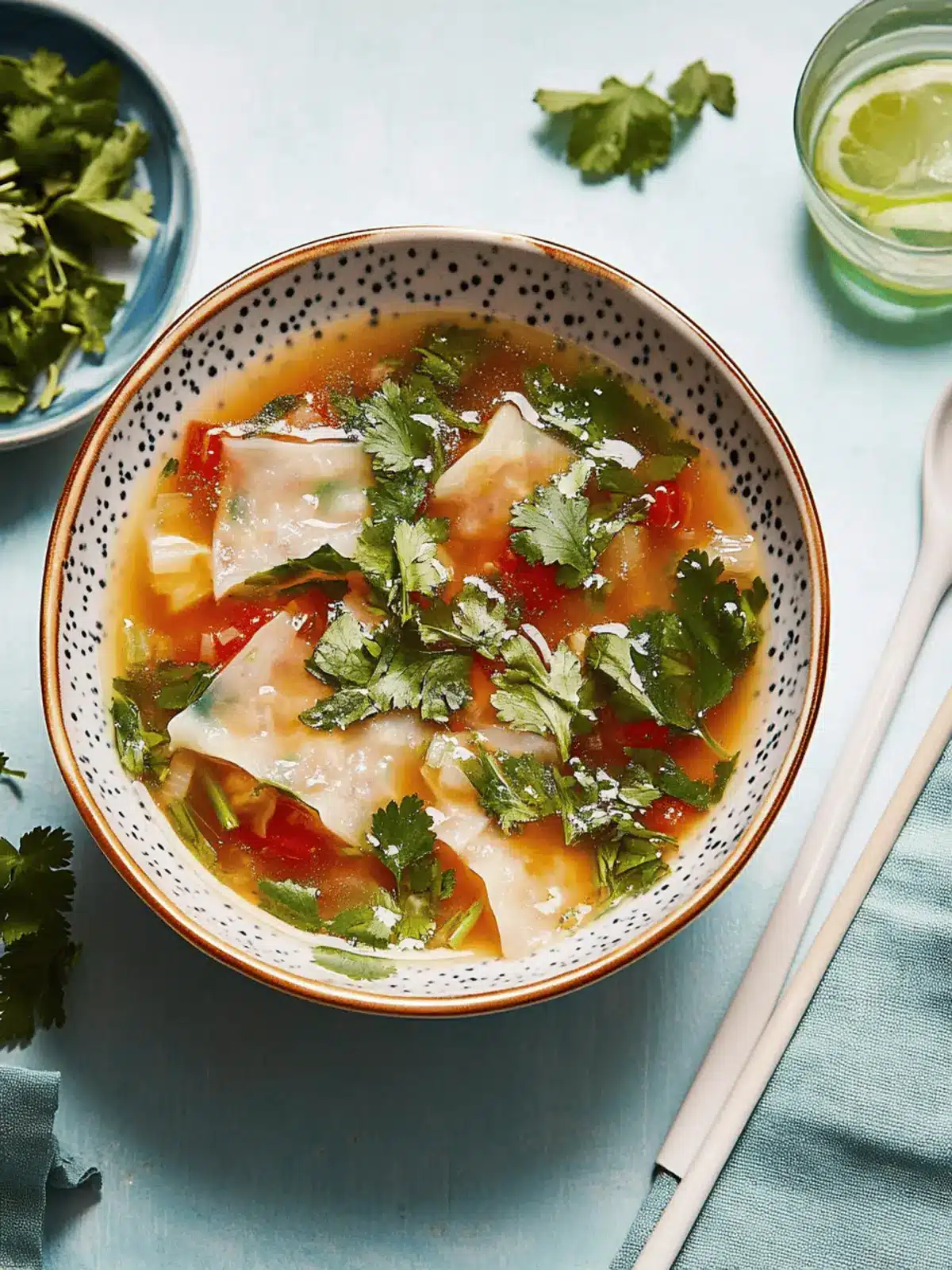
Thenthuk Recipe FAQs
What’s the best way to select vegetables for Thenthuk?
Absolutely! Choose vibrant vegetables that are fresh and in season for your Thenthuk. Look for firm carrots without dark spots, crisp bok choy, and potatoes that feel heavy for their size. The key is to avoid any that have soft spots or signs of wilting, as these won’t add the desired crunch and flavor to your soup.
How should I store leftover Thenthuk?
Store your leftover Thenthuk in an airtight container in the fridge for up to 3 days. If possible, separate the noodles from the broth to prevent them from soaking up too much liquid and becoming mushy. Reheat gently on the stove, adding a splash of broth or water if needed.
Can I freeze Thenthuk for later?
Absolutely! To freeze Thenthuk, it’s best to freeze the soup base (without noodles) in freezer-safe containers for up to 2 months. When you’re ready to enjoy, just reheat on the stove and add fresh noodles during the last cooking stage. This will keep the texture just right!
What should I do if my noodles turn out tough?
If your noodles are tough, they may have been overworked during preparation or cooked too long in the soup. To avoid this, handle the dough gently and ensure you’re not over-kneading. When cooking, keep an eye on the texture; noodles should be soft yet slightly chewy after 5-7 minutes of cooking.
Is Thenthuk suitable for those with dietary restrictions?
Certainly! For a gluten-free option, you can substitute all-purpose flour with a gluten-free flour blend to make the noodles. Additionally, you can use tamari instead of soy sauce to cater to gluten sensitivities. Always double-check that your vegetable broth and any additional ingredients align with your dietary needs.
Can I add protein to this Thenthuk recipe?
The more the merrier! If you want to add protein, consider shredded chicken or beef for a heartier soup. Simply stir in the cooked protein when you add the vegetables. If using raw meat, adjust the cooking times to ensure everything cooks through properly, usually about 5-10 minutes longer depending on the protein type.
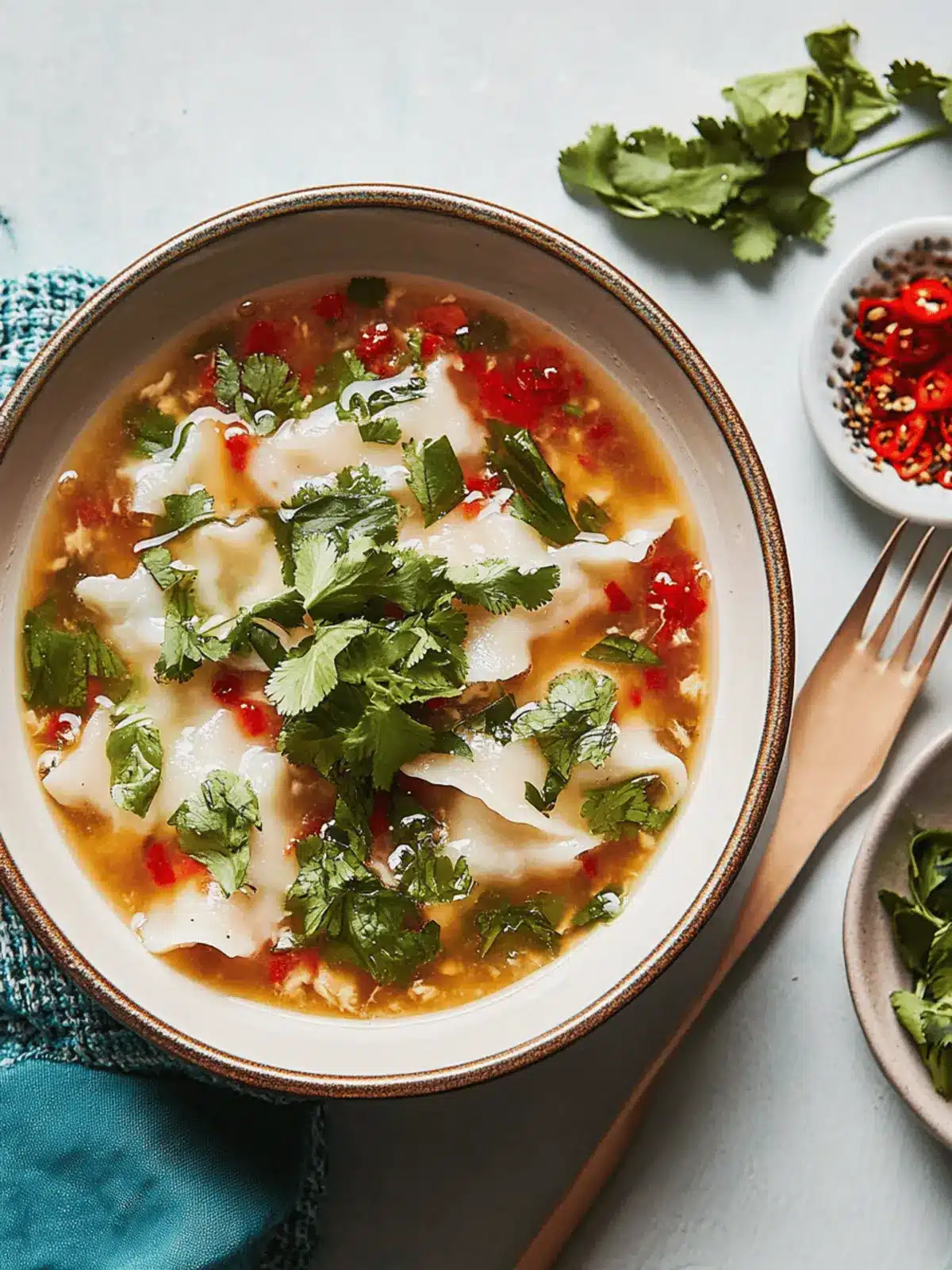
Hearty Thenthuk: Your Cozy Vegetarian Noodle Soup Fix
Ingredients
Equipment
Method
- Prepare the Dough: In a large mixing bowl, combine flour with water to form a smooth and pliable dough. Let it rest for about 15 minutes.
- Chop the Vegetables: Wash and chop your chosen vegetables into bite-sized pieces.
- Sauté Aromatics: In a large pot, heat a splash of oil over medium heat. Add minced garlic and ginger, sautéing until fragrant—about 1-2 minutes.
- Add Broth: Pour in the vegetable broth and bring it to a gentle simmer.
- Cook Vegetables: Introduce your chopped vegetables into the simmering broth and cook until tender, about 8-10 minutes.
- Pull Noodles: Roll out your rested dough into thin sheets, then pull pieces into rough noodle shapes, adding them to the soup.
- Finish Cooking: Allow the noodles to cook in the broth for another 5-7 minutes, until they’re soft yet slightly chewy.
- Season & Serve: Taste and adjust seasoning with soy sauce, salt, and pepper. Serve hot, garnished with fresh chopped green onions.