
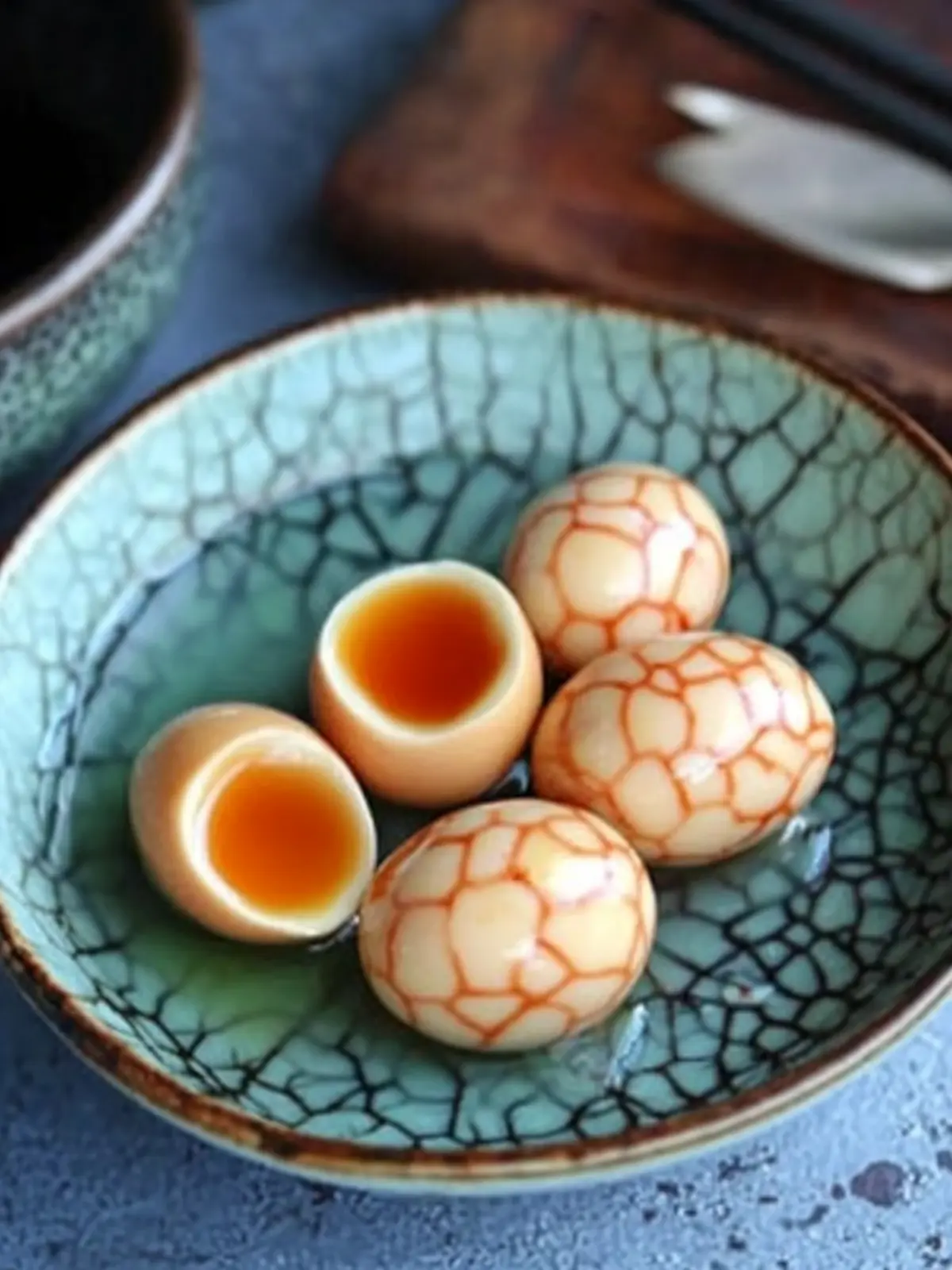
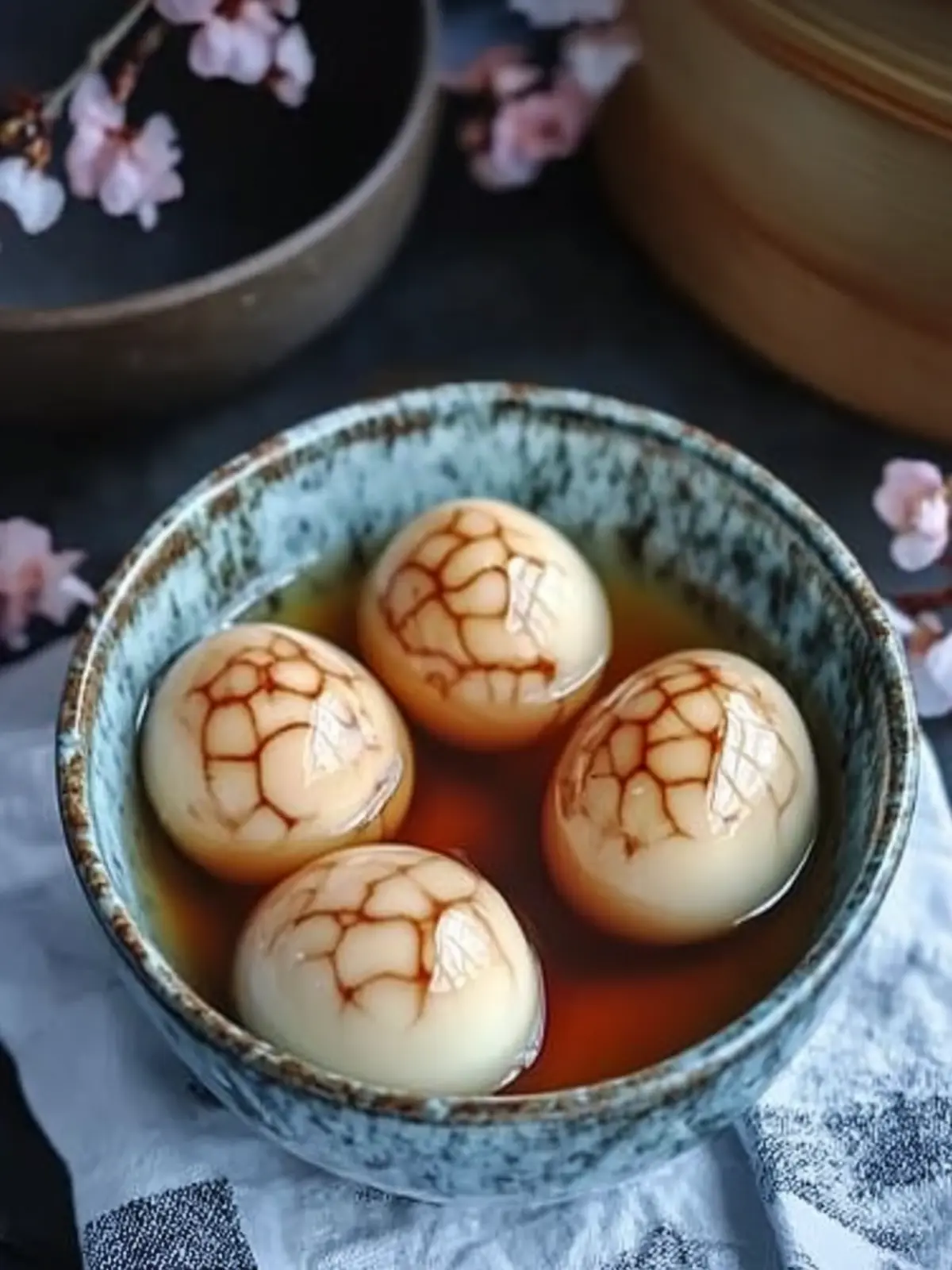
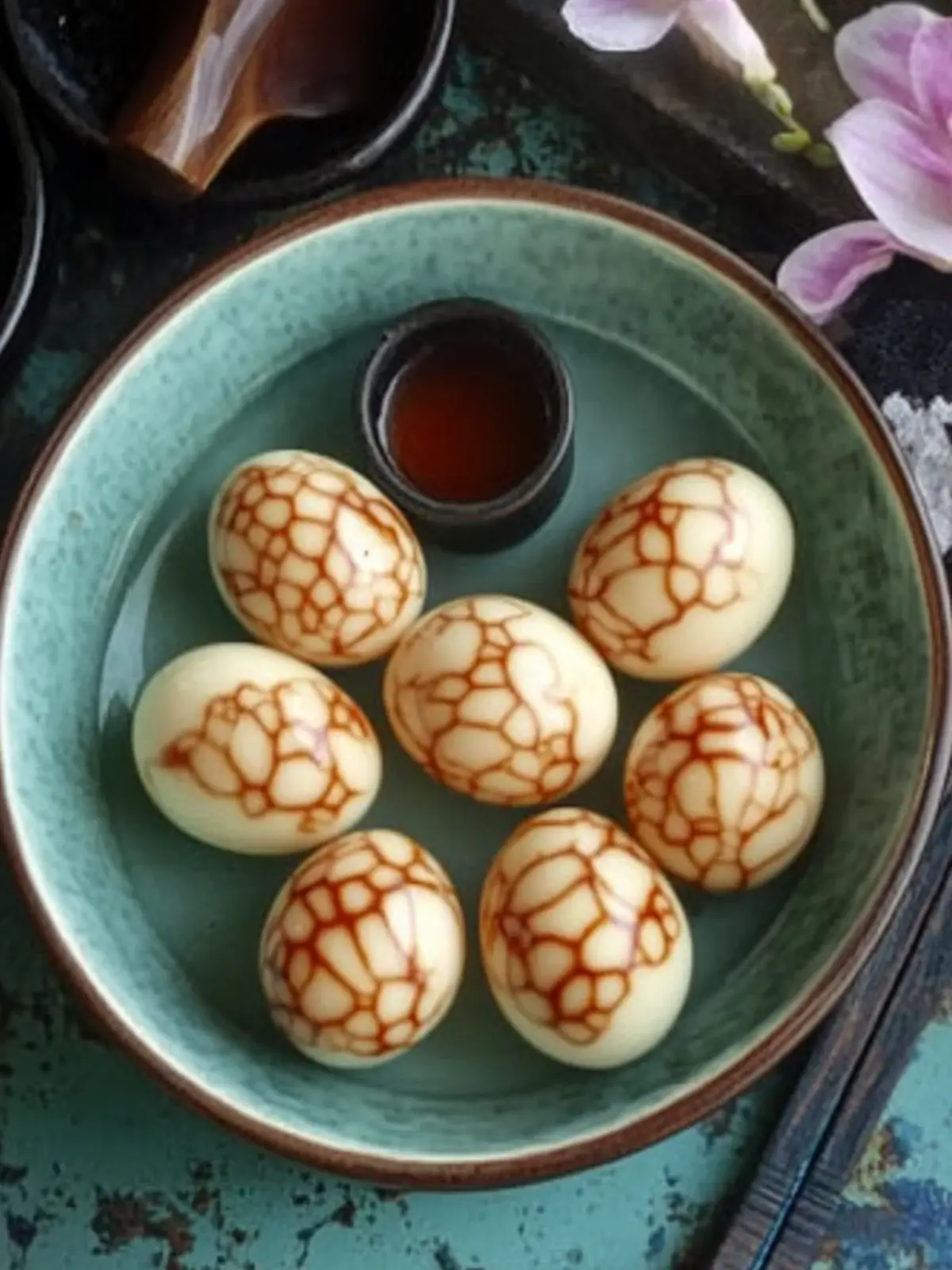
There’s something incredibly satisfying about transforming a simple ingredient into a culinary delight, and that’s exactly what happens with these Chinese Tea Eggs. On one chilly afternoon, as I craved comfort food with a twist, I discovered this beautiful recipe nestled between my grandmother’s cherished cookbooks. The moment I cracked open those eggs to reveal the marbled patterns created by tea and spices, I felt like an artist unveiling a masterpiece.
Infused with aromatic black tea, star-anise, and cinnamon, these eggs are more than just a snack; they’re a flavorful experience that transports me to faraway places. The gentle simmer in savory sauces unlocks a depth of flavor that’s both comforting and exotic, making them perfect for any occasion—whether it’s a cozy dinner at home or an impressive dish for friends. Join me on this delicious journey as I guide you in creating your own batch of Chinese Tea Eggs that’s sure to be a new household favorite!

Why love Chinese Tea Eggs?
Unleash your culinary creativity with these Chinese Tea Eggs! They’re not only visually stunning, thanks to their marbled finish, but they also offer a unique flavor profile that captivates the palate. Easy to make, this recipe combines everyday ingredients into an impressive dish. Versatile enough for snacks, breakfast, or picnic treats, they’re perfect for any occasion. Plus, they can be prepared in advance, making them an ideal time-saver for busy cooks! For more amazing flavor ideas, check out my post on delicious Asian appetizers.
Chinese Tea Eggs Ingredients
• Discover the delicious components of this unique dish!
For the Eggs
- 8 eggs – Ensure they’re at room temperature for even cooking.
For the Tea Mixture
- 2 bags black tea – Use loose tea for a bolder flavor if desired.
- 1 star-anise – Adds a sweet and licorice-like aroma, essential for the dish.
- 1 bay leaf – Enhances overall flavor with its earthy notes.
- 1 piece Chinese cinnamon (aka cassia cinnamon) – Provides a warm, sweet spice characteristic of traditional Asian flavors.
- ½ teaspoon Sichuan peppercorn – Introduces a mild numbing spice, elevating the taste experience.
For the Marinade
- 2 tablespoons dark soy sauce – Deepens the color and flavor with its rich profile.
- 1 tablespoon light soy sauce – Balances the darkness with a saltier touch.
- 1 teaspoon Shaoxing rice wine (optional) – Adds complexity and sweetness; you can skip this for a non-alcoholic version.
- ½ tablespoon sugar – Balances the saltiness and enhances the overall taste.
- 2 teaspoons salt – Essential for seasoning, bringing all the flavors together.
Dive into this delightful combination and let the adventure of creating Chinese Tea Eggs begin!
How to Make Chinese Tea Eggs
-
Boil the eggs: Begin by placing the eggs in a pot. Cover them with water, then bring the water to a boil. Once boiling, reduce the heat to a simmer and cook for about 8-10 minutes until they are hard-boiled.
-
Cool the eggs: After the boil, carefully remove the eggs from the pot and let them cool down. This makes handling them easier for the next step.
-
Crack the eggs: Once cooled, gently tap each egg on a hard surface to create small cracks in the shell. This is crucial as it allows the flavorful tea mixture to seep in while they simmer.
-
Prepare the tea mixture: In a separate pot, combine the tea bags, star-anise, bay leaf, Chinese cinnamon, Sichuan peppercorn, dark and light soy sauces, Shaoxing rice wine (if using), sugar, and salt. Add enough water to cover the cracked eggs, and bring this mixture to a boil.
-
Simmer the eggs: Once your tea mixture is boiling, carefully add the cracked eggs to the pot. Allow them to simmer gently for at least 30 minutes, letting the flavors infuse into the eggs.
-
Marinate for flavor: For the best results, remove the pot from heat and let the eggs marinate in the mixture for several hours or, even better, overnight in the refrigerator before peeling and serving them.
Optional: Serve with a sprinkle of sliced green onions for an extra burst of flavor!
Exact quantities are listed in the recipe card below.
Make Ahead Options
These Chinese Tea Eggs are fantastic for meal prep, allowing you to enjoy a delicious snack or side dish any day of the week! You can boil and crack the eggs up to 24 hours in advance; simply refrigerate them once they’ve cooled. The flavorful tea mixture can also be prepared ahead of time and stored in the fridge for up to 3 days. When ready to serve, just combine the cracked eggs with your tea mixture and simmer for at least 30 minutes to infuse the flavors. This advance prep ensures your eggs are just as delicious and marbled as if made fresh that day, saving you time on busy weeknights!
Expert Tips for Chinese Tea Eggs
-
Egg Selection: Use the freshest eggs possible; they peel easier after boiling, ensuring a beautiful marbled effect.
-
Cracking Technique: Tap gently but firmly when creating the cracks; too few cracks won’t allow the flavors to penetrate effectively, while too many might break the egg apart.
-
Flavor Boost: For a deeper flavor, let the eggs marinate overnight. This additional step enhances the infusion from the tea and spices, elevating your Chinese Tea Eggs.
-
Temperature Matters: Ensure your eggs are at room temperature before boiling. Cold eggs can crack during cooking, leading to leaks and uneven flavor absorption.
-
Storage Tips: Store leftover Chinese Tea Eggs in the marinade in the refrigerator; they can last up to a week, making for quick snacks or breakfast options!
Chinese Tea Eggs Variations
Get ready to explore delightful twists on your Chinese Tea Eggs that will elevate your culinary experience!
-
Spicy Kick: Add a teaspoon of chili oil to the marinade for a fiery flavor that will tantalize your taste buds.
-
Herb Infusion: Toss in a few sprigs of fresh cilantro or parsley to the tea mix for a herbal brightness that complements the spices beautifully.
-
Coconut Twist: Substitute traditional soy sauce with coconut aminos for a sweeter, low-sodium alternative that maintains the savory essence.
-
Sweet Surprise: Incorporate a tablespoon of honey or maple syrup instead of sugar to introduce a natural sweetness that harmonizes with the spices.
-
Garlicky Goodness: Add minced garlic to the marinade mixture for an aromatic infusion that takes your eggs to savory new heights.
-
Savory Miso: Mix in a spoonful of miso paste for an umami punch, intensifying the flavor profile in each delicious bite.
-
Tea Variations: Experiment with different teas like jasmine or oolong to explore unique flavor nuances and find your personal favorite.
-
Vegetarian Delight: Replace the eggs with firm tofu cubes for a vegetarian version that absorbs the marinade’s flavors, making it a delightful dish for all!
What to Serve with Chinese Tea Eggs?
Transform your meal into a culinary adventure with delightful pairings that elevate your tea-infused masterpiece.
- Steamed Jasmine Rice: The fragrant notes of jasmine rice complement the rich flavors of the tea eggs and provide a satisfying foundation.
- Spicy Szechuan Noodles: Offering a hit of heat and chewiness, these noodles create a delightful contrast to the subtle warmth of the tea eggs.
- Pickled Vegetables: Adding a tangy crunch, pickled cucumbers or radishes balance the savory and earthy notes beautifully.
For a real treat, try enjoying these tea eggs with a refreshing glass of iced green tea, whose subtle bitterness enhances the dish.
- Savory Dumplings: Filled with fragrant herbs and spices, dumplings provide textural contrast and amplify the Asian-inspired theme of the meal.
- Asian Slaw: A crunchy cabbage slaw dressed in sesame oil adds freshness, brightening the overall flavors while providing a crisp bite.
- Hot & Sour Soup: This classic soup adds warmth and complexity to your meal, enveloping you in flavors that harmonize with the tea eggs.
- Honey Soy Chicken: Sweet and savory chicken drizzled with honey soy balances the umami notes in the tea eggs, creating a cohesive dining experience.
- Mango Sticky Rice: For dessert, this sweet treat contrasts beautifully, harmonizing the sweetness with the savory tea eggs and creating a memorable finish.
Storage Tips for Chinese Tea Eggs
Refrigerator: Store your cooked Chinese Tea Eggs in the refrigerator, submerged in their marinade. They can stay fresh for up to 7 days.
Freezer: If you’d like to freeze the eggs, wrap each one in plastic wrap and place them in an airtight container. They can last up to 3 months, though the texture may change slightly.
Reheating: To reheat, simply remove the eggs from the marinade and place them in a pot of gently simmering water for about 5-10 minutes until heated through.
Serving Suggestions: For the best flavor, serve your Chinese Tea Eggs at room temperature after marinating in the liquid overnight. This allows the spices to fully permeate the eggs for a delightful taste!
Chinese Tea Eggs Recipe FAQs
What type of eggs should I use for Chinese Tea Eggs?
Absolutely! I recommend using the freshest eggs available. Look for eggs with a smooth shell, free from any cracks, as they peel easier after boiling and will give you a beautiful marbled effect. Room temperature eggs are ideal for even cooking, ensuring that the shells do not crack during boiling.
How should I store Chinese Tea Eggs?
Very easily! Store your cooked Chinese Tea Eggs submerged in their marinade in an airtight container in the refrigerator. They will stay fresh for up to 7 days, allowing for quick snacks or a delightful addition to your breakfast!
Can I freeze Chinese Tea Eggs?
Yes, you can! To freeze, wrap each boiled egg tightly in plastic wrap and place them in an airtight container. They can be stored this way for up to 3 months. However, be mindful that the texture may change slightly after thawing, but they will still retain their fantastic flavor!
I’m having trouble with the cracking technique; what should I do?
No worries! When creating cracks, tap the eggs gently but firmly on a hard surface. If you notice that the cracks are too shallow, the flavors won’t penetrate well; too many cracks may cause breakage. A gentle rolling motion can also be effective—just ensure you have a nice, consistent pattern of cracks for optimal flavor absorption.
Are there any dietary considerations for Chinese Tea Eggs?
Definitely! If you or someone you’re serving has food allergies, be cautious about the ingredients. The soy sauces contain wheat, which might not be suitable for those with gluten sensitivities. Additionally, if you’re making these for pets, it’s best to avoid giving them the eggs due to the spices and seasonings included. Stick to plain hard-boiled eggs for your furry friends!
How can I enhance the flavor of my Chinese Tea Eggs?
For a richer flavor experience, marinate the eggs overnight in the refrigerate instead of just a few hours. This longer infusing time allows the spices and tea to fully permeate the eggs. Additionally, consider adding more spices like ginger or garlic to the marinade for an extra twist. Enjoy experimenting with flavor variations!
Delicious Chinese Tea Eggs That Will Wow Your Taste Buds
Ingredients
Equipment
Method
- Begin by placing the eggs in a pot. Cover them with water, then bring the water to a boil. Once boiling, reduce the heat to a simmer and cook for about 8-10 minutes until they are hard-boiled.
- After the boil, carefully remove the eggs from the pot and let them cool down.
- Once cooled, gently tap each egg on a hard surface to create small cracks in the shell.
- In a separate pot, combine the tea bags, star-anise, bay leaf, Chinese cinnamon, Sichuan peppercorn, dark and light soy sauces, Shaoxing rice wine (if using), sugar, and salt. Add enough water to cover the cracked eggs, and bring this mixture to a boil.
- Carefully add the cracked eggs to the pot with boiling tea mixture and allow them to simmer gently for at least 30 minutes.
- For the best results, remove the pot from heat and let the eggs marinate in the mixture for several hours or overnight in the refrigerator before peeling and serving.